
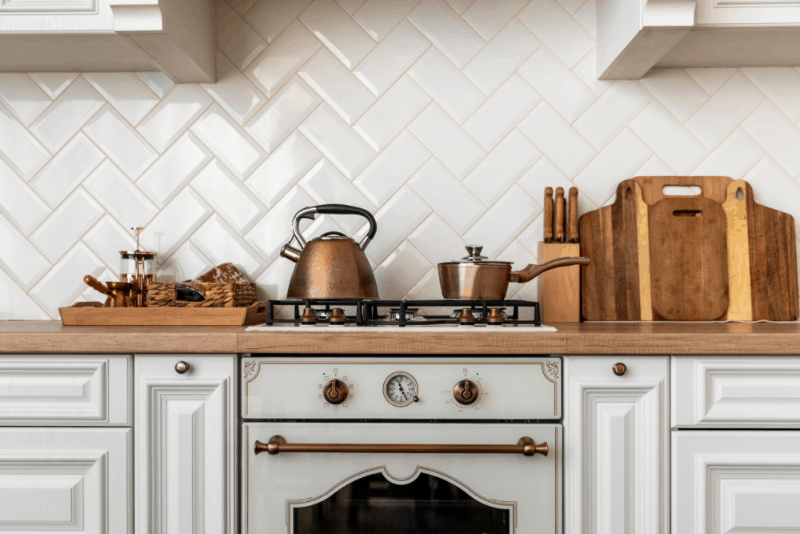
The best backsplash behind stove does two jobs at once: it protects the wall from heat, grease, and moisture, and it anchors the visual identity of the entire kitchen. This is the focal point most eyes land on first — which means the material and design you choose here set the tone for everything around it. From classic subway tile to natural stone slabs, the options are varied enough to suit any style and budget. Understanding what each material offers — and where it falls short — is what separates a smart choice from a costly mistake.
Why the Backsplash Behind Your Stove Matters
No other section of the kitchen wall faces the same level of daily stress. The zone directly behind a stove is exposed to high heat, constant moisture, grease splatter, and cleaning chemicals on a near-daily basis. A surface that isn’t built for those conditions will stain, deteriorate, or require frequent replacement.
Beyond protection, this area has significant visual weight. It’s typically framed by cabinetry and countertops, which means it functions almost like a piece of art in the room. A well-chosen backsplash simplifies cleaning and elevates the overall finish of the kitchen in a way few other upgrades can match at the same cost.
Best Material for Backsplash Behind Stove
The best material for a backsplash behind the stove balances heat resistance, ease of cleaning, and visual compatibility with the rest of the kitchen. No single material is right for every situation — but understanding the key differences makes the decision straightforward.
Best Tile for Backsplash Behind Stove
Tile remains the most popular choice for this application, and it earns that position. The best tile for a backsplash behind the stove offers heat resistance, a non-porous surface that resists grease absorption, and virtually unlimited design flexibility.
The most common options each have a distinct profile:
- Subway tile — timeless, clean-lined, and compatible with nearly every kitchen style
- Porcelain — dense, low-maintenance, and available in large formats that minimize grout lines
- Ceramic — cost-effective, easy to install, and available in a broad range of colors and textures
- Mosaic — creates visual interest and texture; the increased grout lines add grip and pattern
Tile also holds up well under the cleaning products most homeowners use regularly, which matters in a zone that needs frequent wiping down.
Stone, Glass, and Metal: Pros and Cons
Each of these materials brings something distinct to the table — and each comes with trade-offs worth understanding before committing.
Natural stone (marble, slate, quartzite) creates a premium, organic look that’s difficult to replicate. The downside is porosity — most stone requires sealing and more careful maintenance in a high-splatter zone. It performs better in kitchens where the stove sees moderate use.
Glass tile reflects light beautifully and feels modern in almost any setting. It’s non-porous and easy to wipe clean, but it shows fingerprints and water marks more readily than tile and can crack under direct, sustained heat if not properly installed.
Metal tile and stainless panels work particularly well in contemporary and industrial-style kitchens. They’re heat-resistant, durable, and hygienic — but they scratch over time and can feel cold visually if not balanced with warmer elements in the space.
Best Backsplash for Behind Stove by Kitchen Style
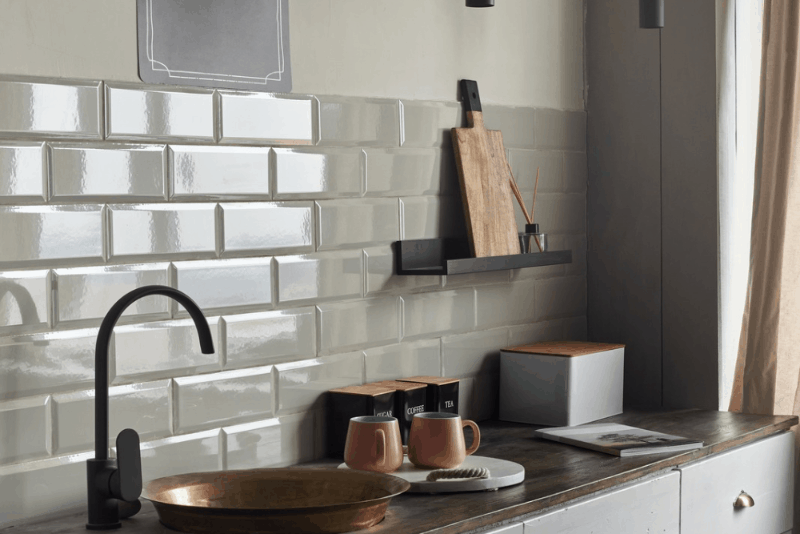
The backsplash should feel like it belongs to the kitchen, not like it was chosen independently. Style context matters as much as material performance.
Modern kitchens benefit from large-format porcelain, monochromatic glass, or sleek stone slabs with minimal grout lines. Clean geometry and restrained color palettes define this aesthetic — the backsplash should reinforce that, not compete with it. For inspiration on current directions, exploring options for a modern kitchen backsplash is a useful reference point.
Farmhouse kitchens lean toward classic subway tile in white or off-white, shiplap-pattern ceramic, or handmade-look tiles with slight surface variation. The goal is warmth and character — not perfection.
Contemporary kitchens allow for more experimentation: mixed materials, geometric patterns, and textured surfaces all work here, provided they stay cohesive with countertop and cabinet choices.
Minimalist kitchens call for restraint. A single large-format slab, a seamless stone panel, or a simple brick-pattern tile in a near-neutral tone keeps the visual noise low while still delivering a finished look.
How to Choose the Right Size and Pattern
Size and pattern shape how the kitchen feels spatially — often more than color does.
Large-format tiles (12×24 or larger) make a space feel open and contemporary. They work best in kitchens where the cabinetry and countertops are also clean-lined and modern. Fewer grout lines read as more refined.
Mosaic formats — 1×1, 2×2, or penny round — create a natural focal point and add texture in a concentrated area. They work particularly well directly behind the range, framed by a simpler tile on either side.
Vertical patterns — whether a stack bond, herringbone, or elongated tile set vertically — draw the eye upward and create the perception of height. This is especially useful in kitchens with standard ceiling heights.
When combining the backsplash with existing countertops and cabinets, the general principle is contrast in texture, continuity in tone. A warm-toned countertop pairs well with a backsplash that shares the warmth but introduces a different surface quality — matte against polished, rough against smooth.
Installation Tips to Get a Professional Finish
Even the best material underperforms when installation is rushed or imprecise. Understanding how to install a backsplash correctly — or knowing what to look for when hiring a professional — protects both the investment and the final result.
Key factors that separate a clean finish from a problematic one:
- Surface preparation — the wall must be clean, dry, and free of grease before adhesive is applied. Behind a stove, this step is often underestimated
- Consistent leveling — even minor variation in tile height creates visual disruption across a large surface
- Uniform spacing — consistent grout joints are what make a tiled surface look intentional rather than improvised
- Proper sealing — grout in a high-heat, high-moisture zone needs to be sealed after installation to resist staining and deterioration
The most common errors — skipping surface prep, rushing the layout, or applying grout before adhesive has fully cured — are all avoidable with the right approach. For complex cuts around outlets, range hoods, or custom tile formats, professional kitchen tile installation eliminates the margin for error that DIY projects often carry.
Need a Pro? Find Backsplash Installation Services Near You
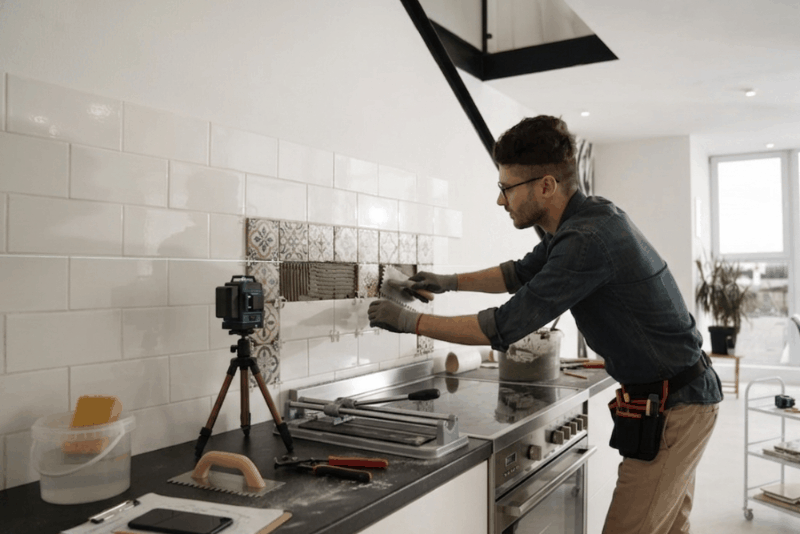
A backsplash behind the stove is a small area with a high visual impact — which means precision matters more here than almost anywhere else in the kitchen. Irregular cuts, inconsistent grout lines, or tiles that aren’t perfectly plumb are all immediately noticeable in a zone the eye naturally moves toward.
BayTile provides professional tile installation services for homeowners across Sacramento, Roseville, Folsom, El Dorado Hills, Granite Bay, Rocklin, and the greater Sacramento Valley. With over 15 years of hands-on experience, Walter Argueta’s team handles everything from material selection guidance to final sealing — with the technical precision that complex cuts and tight spaces require.
If you’re not sure where to start, a consultation can help you identify the right material for your kitchen’s specific conditions and aesthetic before you commit to anything.
Final Pick: Which Backsplash Behind the Stove Is Right for You?
The best choice comes down to three factors: the style of your kitchen, your cleaning preferences, and your budget.
Tile — porcelain or ceramic — is the most versatile and reliable option for most homeowners. It performs well under heat, cleans easily, and fits virtually every design direction. Stone delivers a premium look but demands more maintenance, making it best suited for kitchens where cooking is moderate and aesthetic investment is a priority. Glass brings modernity and light reflection but requires careful installation and regular upkeep to maintain its appearance.
Whatever material you choose, installation quality is what determines long-term performance. A well-installed backsplash looks better, lasts longer, and adds more to the kitchen’s perceived value than the material alone ever could. BayTile is available to help at every stage — from choosing the right tile to the final grout line.