
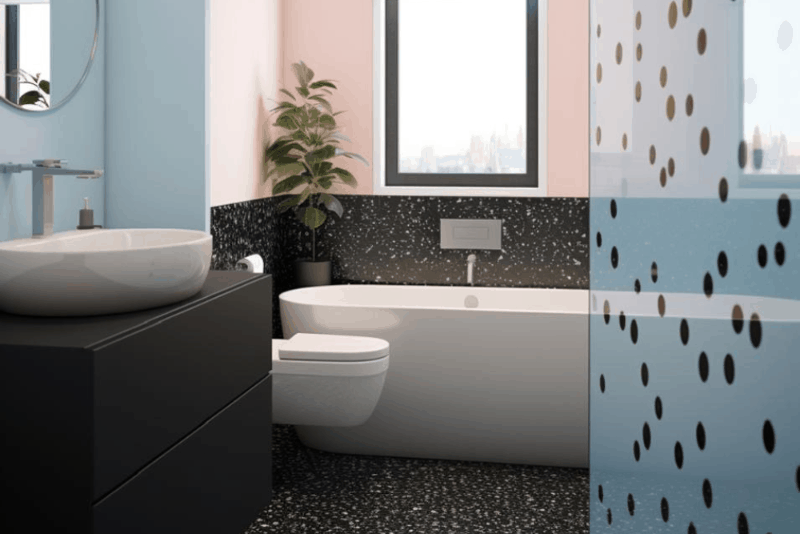
Picking tile for a bathroom is rarely just about one material. This guide walks through how floor and wall tiles work together, which color pairings tend to hold up over time, and how to adapt those ideas for smaller spaces or a standout shower.
Finding the right bathroom tile combinations can turn a plain, builder-grade bathroom into a space that actually feels considered. Getting there comes down to more than picking a favorite color, since the way floor and wall tiles work together shapes both the look of the room and how well it holds up over time. Ahead, we’ll walk through color pairings, material combinations, patterns, and ideas suited to smaller bathrooms, so you can choose a direction that fits your space with confidence. Whether you’re starting from scratch or planning a full tile flooring installation, these combinations are a solid starting point.
Best Bathroom Tile Combinations for a Modern Look
Current trends lean toward a balance of design, texture, and everyday practicality, rather than one bold statement piece. A few pairings keep showing up in modern bathrooms for good reason:
- Marble-look porcelain floors with plain white walls
- Wood-look plank tile paired with neutral wall tones
- Grey floors with charcoal or black accents
- Matte floor tile with a glossier wall finish
These tile combinations bathroom designs tend to favor share a common thread: materials, sizes, and finishes are chosen to work together rather than compete. Before settling on any single pairing, it helps to step back and think about how each surface will read next to the others, since a coherent visual palette across the room does more for the final look than any one tile choice on its own.
Bathroom Floor and Wall Tile Combinations
How floor and wall tiles relate to each other sets the tone for most of a bathroom’s overall style, often more than color does. This section focuses on how surfaces work together, not on specific palettes. It’s also worth noting that if your existing tile is structurally sound but just feels dated, resurfacing bathroom tiles can sometimes achieve a similar refreshed look without a full teardown.
Matching Floor and Wall Tiles
Using the same tile on both floor and walls creates a sense of visual continuity that reads as minimalist and contemporary. Because there’s no hard break where one surface ends and another begins, the room tends to feel more open, which makes this approach a strong fit for smaller bathrooms or anyone after a clean, uncluttered look.
This pairing of bathroom floor and wall tile combinations works especially well in bathrooms with simple, boxy layouts, where the goal is a calm, unified backdrop rather than multiple focal points. It’s less suited to spaces with a lot of architectural detail already competing for attention.
Contrasting Floor and Wall Tiles
Contrast can add depth without sacrificing harmony, as long as the elements share some common thread, whether that’s tone, texture, or finish. A dark floor with lighter walls is a classic bathroom floor wall tile combinations approach that adds weight underfoot while keeping the room bright.
Pairing a matte floor with a satin or glossier wall tile is another reliable route, since the texture shift reads as intentional rather than mismatched. A charcoal floor with soft grey walls, or a warm wood-look floor against cool white walls, are both examples where the contrast reads as deliberate rather than random.
Using Accent Tiles to Connect Both Areas
Accent tiles, whether that’s a mosaic strip, a decorative niche, or a border, can tie two different surfaces together without forcing them to match outright. A shower niche finished in a mosaic that echoes the floor tone, for instance, gives the eye a connecting point between wall and floor.
Decorative borders work the same way on a smaller scale, acting as a bridge rather than a dominant feature. These details matter most as connective tissue between surfaces, so it’s worth keeping them separate from broader color decisions, which come into play in the next section.
Bathroom Tiles Color Combination Ideas
Color does more than set a mood; it shapes how large or small a bathroom feels and how easily the space ages as trends shift. Here’s how the most common bathroom tiles color combination choices break down by style.
Neutral Bathroom Tile Color Combinations
White and grey, beige and sand, or taupe and cream are dependable pairings that rarely go out of style. Beyond their timelessness, neutral combinations make it far easier to swap out towels, rugs, or fixtures later without clashing with the tile underneath.
White and Grey Bathroom Tile Combinations
Few pairings show up as often as white and grey, largely because it delivers a clean, bright result with almost no risk involved. The contrast is subtle enough to feel modern without leaning cold, and it reflects light well, which helps bathrooms with limited natural light feel more open.
Beige, Cream, and Natural Stone Looks
For a warmer, more relaxed feel, beige and cream tones paired with stone-inspired finishes, like a travertino look or a stone-effect porcelain, bring in texture without adding visual noise. Natural stone-look tile tends to read as more organic and calming than crisp whites or greys.
Bold Color Combinations for Modern Bathrooms
Black and white, navy and grey, or olive green with wood tones can make a strong statement when used with intention. These combinations work best applied selectively, on an accent wall or a single feature, rather than across every surface, where the effect can start to feel heavy.
Small Bathroom Tiles Color Combination Ideas
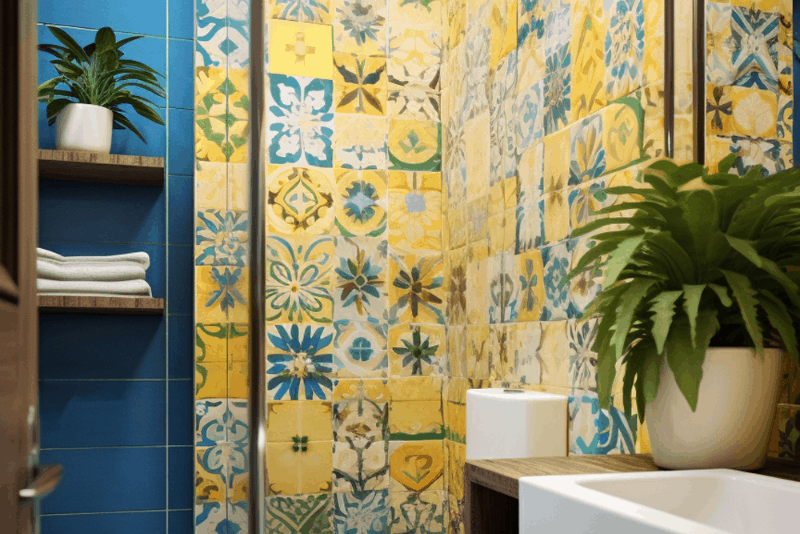
Color and tile format both play a real role in how spacious a small bathroom feels, sometimes more than the actual square footage does. A thoughtful small bathroom tiles color combination can make a compact layout feel noticeably more open.
Light Colors to Make a Small Bathroom Feel Bigger
White, beige, and light grey all bounce light around a room rather than absorbing it, which helps walls feel like they’re receding rather than closing in. This effect is especially useful in bathrooms without much natural light, where darker tones can make the space feel boxed in.
Vertical Tile Patterns for Small Bathrooms
Beyond color, orientation changes how a room reads. Installing rectangular tile vertically, rather than in a standard horizontal stack, draws the eye upward and creates the impression of higher ceilings, even in a genuinely compact footprint.
Using Dark Tiles Without Making the Space Feel Smaller
Dark tile isn’t off-limits in a small bathroom, but it works best in smaller doses, like a single accent wall paired with strong lighting and lighter surfaces elsewhere in the room. That combination of contrast and adequate light keeps the darker tone from swallowing the space.
Shower Tile Combinations
The shower is often the one area of a bathroom that can carry a bolder design without overwhelming the whole room. Getting it right usually starts with hiring an experienced team for the shower tile installation itself, since tight spaces and slopes leave little room for error.
Shower Wall and Floor Tile Pairings
Inside the shower, contrast and continuity both work well depending on the goal. A patterned floor with plain walls keeps the focus low, while matching floor and wall tile creates a more seamless enclosure. Whichever direction you choose, floor tile should offer enough texture for slip resistance, since safety matters more here than almost anywhere else in the bathroom.
Accent Walls for Shower Areas
A single accent wall, often in a large-format slab or a marble-look tile, gives the shower a natural focal point without extending that same intensity across every surface. Mosaic accents work similarly on a smaller scale, adding detail without competing with the rest of the room.
Mosaic Tile Combinations for Shower Floors
Mosaic remains a strong pick for shower floors, mainly because the smaller pieces offer more traction underfoot and can follow the slope needed for proper drainage. Beyond the practical benefits, mosaic patterns also add a level of detail that larger-format tile simply can’t replicate on a sloped surface.
Common Mistakes When Choosing Bathroom Tile Combinations
A successful combination comes down to balancing how a bathroom looks with how it actually functions day to day. A few recurring mistakes tend to undercut both.
- Using too many colors – stick to two or three main tones to keep the space feeling intentional.
- Mixing too many patterns – pair one patterned surface with simpler surroundings rather than layering several at once.
- Ignoring lighting – tile that looks great in a showroom can read differently under the bathroom’s actual light.
- Choosing disproportionate formats – oversized tile in a tiny bathroom, or tiny tile across a large wall, can throw off the room’s balance.
- Overlooking maintenance – textured or heavily grouted combinations look good on day one but can be harder to keep clean long-term.
Our Professional Bathroom Tile Installation Service: Quality You Can Trust
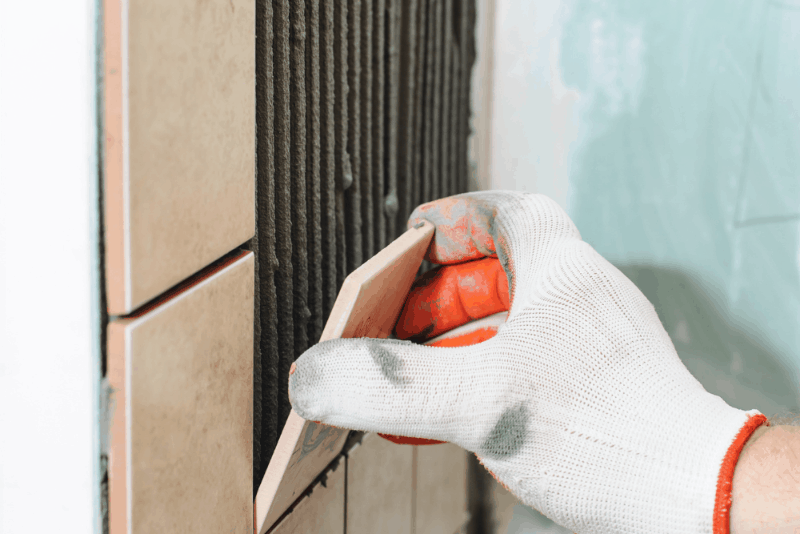
Even the best combination on paper can lose its impact if the installation isn’t precise, since uneven grout lines or poor alignment show up immediately on tile this visible. That’s exactly where our tile installation services come in.
Our installers work across floors, walls, and showers, and they’re also a useful resource earlier in the process, helping homeowners figure out which combination actually suits their bathroom’s layout and lighting before any tile gets cut. For homeowners in Roseville, Sacramento, El Dorado Hills, Folsom, Granite Bay, and Rocklin, that kind of early input often prevents costly changes mid-project.
Alignment, symmetry, and a finish that holds up for years all depend on the same thing: an installer who’s done this enough times to know where the small details matter most.
FAQs About Bathroom Tile Combinations
Here are some of the questions homeowners ask most often when planning a bathroom with mixed tile combinations.
What are the best bathroom floor and wall tile combinations?
Marble-look porcelain with plain walls, wood-look floors with neutral tones, and matching floor-and-wall setups in a single material all remain versatile choices. Each works across both modern and more timeless bathroom styles, depending on the finish and color chosen alongside it.
Should bathroom floor and wall tiles match?
Matching works well for a seamless, minimalist look, especially in smaller bathrooms where continuity helps the space feel larger. Contrast is a better fit when you want more visual interest or a defined boundary between surfaces, particularly in larger bathrooms with room to spare.
What bathroom tiles color combination is best for a modern look?
White and grey remains one of the most reliable modern pairings, along with black-and-white contrasts and warmer combinations like olive green with wood tones. The right choice usually depends on how bold you want the space to feel.
What tile colors work best in a small bathroom?
Light tones like white, beige, and light grey help a small bathroom feel more open by reflecting available light. Darker accents can still work in small doses, such as on one wall, paired with brighter surfaces and strong lighting elsewhere in the room.
What are the best shower tile combinations?
Mosaic shower floors paired with a large-format wall tile balance safety and style well, since the smaller floor pieces offer better traction on a sloped surface. A single accent wall in a bolder pattern also works nicely against simpler surrounding tile.
Can I mix different tile sizes in a bathroom?
Yes, mixing sizes works as long as there’s a clear sense of proportion, such as a large-format floor with a smaller mosaic accent, rather than several competing sizes with no clear hierarchy. Consistency in color or tone helps tie different sizes together.
How many tile colors should I use in a bathroom?
Two or three main colors is generally the sweet spot for keeping a bathroom feeling cohesive rather than busy. Beyond that, it becomes harder to maintain a sense of balance, even if each individual color choice looks fine on its own.
Are dark bathroom tile combinations a good idea?
Dark tile combinations can work well, particularly in larger bathrooms or as an accent rather than the dominant surface. Pairing darker tones with strong lighting and some lighter elements keeps the space from feeling closed in, even in more compact layouts.