
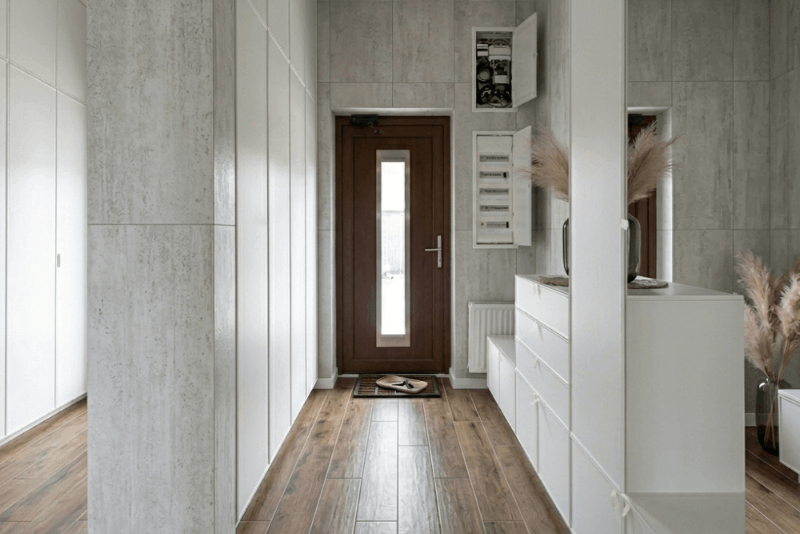
Choosing the best tile for entryway spaces isn’t just about picking something that looks good on the showroom floor. The entryway is one of the most heavily used areas in any home — exposed to foot traffic, outdoor dirt, moisture, and daily wear from the moment you walk through the door. Durability, ease of maintenance, and style all need to work together. This article walks you through everything you need to know to make the right call, no matter your space or budget. For professional results from day one, proper tile installation is just as important as the material you choose.
Why Choosing the Best Entryway Tile Matters
The entryway is the first surface guests see — and the first to take a beating. Unlike a bedroom or living room floor, it faces direct exposure to outdoor elements, cleaning products, and constant movement. Choosing a tile that can’t handle those conditions means dealing with chips, stains, or safety hazards far sooner than you’d expect.
How Entryway Floors Handle Heavy Foot Traffic
Every day, entryway floors absorb the full impact of foot traffic: hard-soled shoes, tracked-in gravel, wet boots, and everything in between. Over time, materials that weren’t selected with this in mind show wear quickly — surface scratches accumulate, finishes dull, and grout lines darken from embedded dirt. A poorly chosen tile doesn’t just look bad; it becomes a maintenance problem that compounds year over year.
What to Look for in Entryway Tile
When evaluating the best floor tile for entryway use, these are the criteria that matter most:
- Durability — hardness rating (PEI rating) suitable for heavy foot traffic
- Water resistance — low water absorption to handle rain and wet shoes
- Easy cleaning — smooth or low-texture surfaces that don’t trap dirt
- Slip resistance — especially important near exterior doors where moisture collects
Getting all four right means the tile performs well for years without demanding constant attention.
Best Entryway Tile Materials for Durability
The material you choose defines how long your entryway floor will last and how much maintenance it will require. Each option brings a different balance of performance and appearance.
Porcelain Tile
Porcelain is consistently ranked as the best entryway tile for high-traffic environments — and for good reason. Its dense composition makes it nearly impervious to water, scratches, and staining. It handles heavy foot traffic without showing premature wear, and it’s available in finishes that convincingly replicate natural stone or wood. For an entryway that needs to perform every single day, porcelain is the benchmark.
Ceramic Tile
Ceramic offers a more budget-conscious path without sacrificing too much performance. It’s softer than porcelain and better suited to moderate foot traffic, making it a practical choice for smaller households or secondary entrances. Where porcelain excels in raw durability, ceramic holds its own in ease of installation and cost efficiency. Both materials work well, but the decision depends on the volume of daily use your entryway actually sees.
Natural Stone Tile
Marble, travertino, and slate bring a level of visual character that manufactured tiles rarely match. Each piece is unique, and the aesthetic payoff can be significant. The tradeoff is maintenance: natural stone requires sealing and more careful upkeep than porcelain or ceramic. For homeowners who prioritize appearance and are willing to invest in ongoing care, it’s a compelling option — but not the most forgiving choice for an entryway with kids, pets, or heavy traffic.
Best Tile for Entrance Way Areas with High Traffic
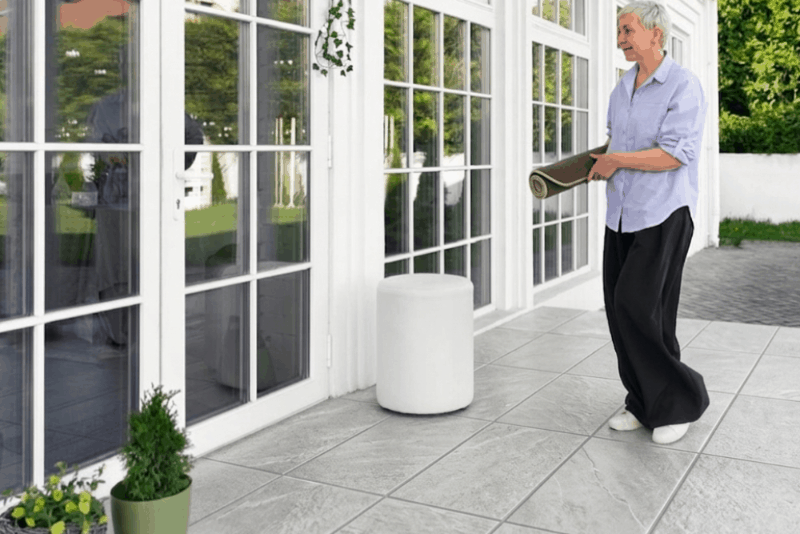
The best tile for entrance way floors in high-traffic settings has to do more than look good at installation — it has to hold up under sustained pressure, moisture exposure, and daily cleaning cycles without degrading.
Slip Resistance and Safety Features
In any entry point, wet surfaces are inevitable. Rain, snow, and tracked-in moisture make slip resistance a non-negotiable feature, not an optional upgrade. Look for tiles with a matte or textured finish — they provide better grip underfoot than polished surfaces, which can become slick when wet. This matters especially in homes with children, elderly residents, or anyone carrying bags and parcels through the door.
Easy-to-Clean Tile Options for Busy Homes
For households with constant activity, low-maintenance surfaces are a practical priority:
- Low porosity — fewer microscopic pores means less absorption of dirt and liquids
- Stain resistance — treated or naturally dense surfaces that don’t hold spills
- Smooth grout lines — minimal grout or epoxy grout resists darkening over time
These features reduce the effort required to keep an entryway looking clean, even on the busiest days.
Best Floor Tile for Entryway Style and Design
Function doesn’t have to come at the cost of aesthetics. The best floor tile for entryway use can anchor the visual identity of your entire home from the moment you walk in.
Popular Colors for Entryway Floors
Neutral tones — warm beiges, soft greys, and stone-inspired shades — remain consistently popular because they age gracefully and complement a range of interior styles. Darker tones add drama and work well at concealing everyday dirt between cleanings. Lighter floors open up a space visually but tend to show footprints and scuffs more readily. The choice depends on how much maintenance you’re willing to commit to and the mood you want to set.
Matte vs Glossy Finishes for Entryway
When choosing between matte and glossy finishes, matte tiles offer better slip resistance, making them a safer option—especially in areas that may get wet. They also provide a more natural, understated look and do a better job of hiding smudges and everyday wear.
Glossy finishes, on the other hand, create a more reflective and dramatic aesthetic but tend to show every mark and can be more slippery. For most entryways, matte finishes are the more practical choice, as they stay looking clean longer and help reduce slip risk, while glossy tiles are better suited for low-traffic, decorative spaces.
Tile Patterns That Make an Entryway Stand Out
A thoughtfully laid pattern can transform a simple floor into a design statement:
- Herringbone — adds movement and a sense of depth
- Grid/straight lay — clean and timeless, works with any style
- Large format tiles — fewer grout lines, more open feel
Pattern choice also affects how the space reads visually — diagonal layouts, for example, can make a narrow entryway appear wider.
Best Tile for Small Entryway Spaces
Compact foyers present specific challenges. With the best tile for small entryway spaces, the goal is to make the area feel as open and intentional as possible without sacrificing the durability it needs.
Tile Sizes That Make a Small Entryway Look Bigger
Counterintuitively, larger format tiles often work better in small spaces than small ones. Fewer grout lines mean fewer visual interruptions, which allows the eye to travel across the floor without stopping — creating a sense of continuity and space. Tiles in the 24″x24″ or 12″x24″ range tend to perform well in compact entryways for this reason.
Light Colors vs Dark Colors in Small Entryways
When designing a small entryway, color choice plays a key role in both the look and functionality of the space. Light colors are ideal for creating a sense of openness, as they reflect more light and help the area feel larger and more inviting. However, they tend to show dirt more easily, which means they may require more frequent cleaning to maintain their appearance.
On the other hand, dark colors can make a small entryway feel more enclosed, but they offer a practical advantage when it comes to maintenance. They are better at concealing dirt and everyday wear, making them a more forgiving option for high-traffic areas.
Ultimately, the choice between light and dark colors depends on your priorities—whether you value a brighter, more spacious look or prefer a lower-maintenance, more practical solution.
Common Mistakes to Avoid When Choosing Entryway Tile
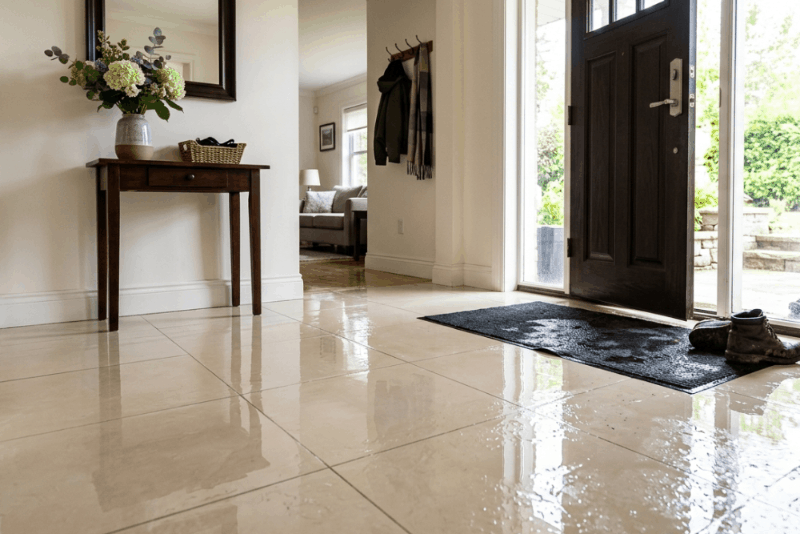
Even homeowners who research carefully can fall into patterns that lead to costly fixes down the line. The wrong tile choice in an entryway doesn’t reveal itself immediately — it shows up months later in chips, safety issues, and premature wear.
Choosing Slippery Surfaces
Polished marble and high-gloss ceramic look stunning in catalog images. In an active entryway where wet shoes are the norm, they become a liability. Selecting a tile primarily for appearance without checking its slip-resistance rating is one of the most common and avoidable mistakes homeowners make.
Ignoring Dirt, Moisture, and Daily Wear
Tiles that aren’t rated for entryway conditions — those designed for walls or low-traffic interiors — deteriorate quickly under real conditions. Surface glazing wears through, grout absorbs moisture and stains, and what looked polished at installation looks dull and patchy within a year. Matching the tile’s performance rating to the actual demands of the space prevents early replacement costs.
Picking the Wrong Tile Size for the Space
Oversized tiles in a very narrow entry create awkward cuts and a cluttered visual impression. Tiny mosaic tiles in a large foyer can look busy and are harder to keep clean. Getting the proportions right matters — and it’s worth consulting a tile size guide before committing to a format that fights against your space.
Professional Entryway Tile Installation Services in Sacramento
Selecting the right tile is only half the equation. Even the best material underperforms when it’s not installed correctly. BayTile has been delivering professional tile flooring installation across the Sacramento region for over 15 years. Their tile flooring installation services are built around getting the details right from the start, so your floor holds up the way it should.
If you’re planning an entryway renovation anywhere in the greater Sacramento area, reaching out for a consultation is the straightforward first step.
Get Expert Help Choosing the Right Entryway Tile
Choosing between materials, formats, and finishes is easier when you have experienced guidance. BayTile helps homeowners navigate those decisions — not just the installation, but the selection process itself. Whether you’re working with a compact foyer or a formal entry hall, the team can evaluate your space, your traffic patterns, and your design goals to recommend an approach that fits.
Reach out to BayTile to discuss your project, ask questions, or schedule an on-site evaluation. Getting the right tile installed correctly the first time is always the most cost-effective path forward.