
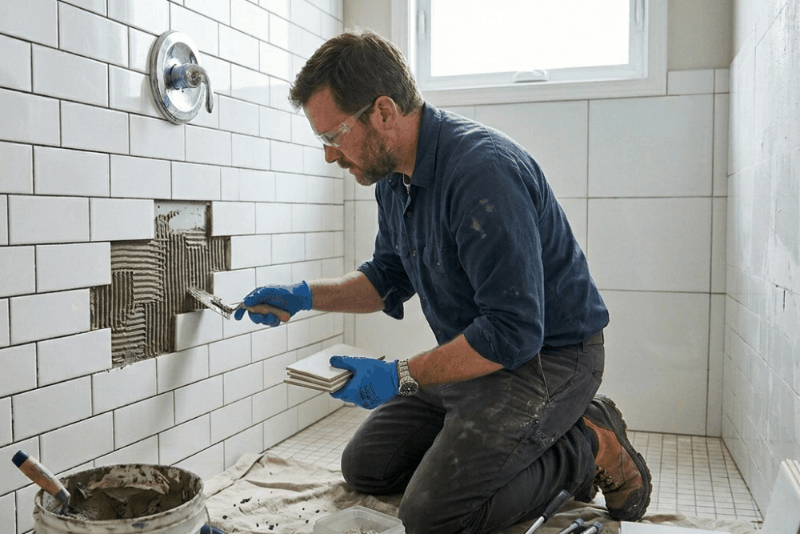
Tile replacement is one of those home improvement decisions that many homeowners delay longer than they should. The challenge is knowing whether you’re looking at a cosmetic issue or something that genuinely needs attention. Cracked corners, discolored grout, or tiles that shift underfoot might seem minor at first — but they often signal deeper problems. In this article, you’ll find the top signs that it’s time to replace your tiles, how to tell repair from replacement, and when to call in a professional for tile installation.
What Is Tile Replacement and When Is It Necessary
Tile replacement means removing damaged, worn, or structurally compromised tiles and installing new ones in their place. It can involve a single broken piece or an entire surface, depending on the extent of the damage.
Not every imperfection demands a full renovation. Replacing individual tiles works well when the damage is isolated and the surrounding area is stable. But when issues spread — moisture, movement, or widespread cracking — a complete replacement becomes the only lasting solution.
The shift from aesthetic to structural is important. A stained tile is a visual problem. A tile that lifts, cracks from below, or allows water to seep behind it is a safety and integrity issue.
Common Reasons Homeowners Replace Tiles
The most frequent reasons homeowners decide to replace tiles include:
- Visible cracks that expand over time or appear in multiple spots
- Loose or hollow-sounding tiles that shift underfoot
- Mold and persistent moisture that cleaning can’t eliminate
- Outdated aesthetics that affect the overall feel of a space
Beyond appearance, damaged tiles can lower your home’s value and create real safety hazards — from slipping on an uneven surface to water infiltrating walls and subfloors.
Repair vs Full Tile Replacement
A patch repair can work when damage is isolated to one or two tiles, the rest of the surface is solid, and matching replacement tiles are available. It’s faster and less expensive in the short term.
A full tile replacement offers a more long-term and reliable solution compared to repairs. While repairs may have a lower upfront cost, they often act as temporary fixes and can lead to additional expenses over time. In contrast, replacing tiles ensures greater durability and a consistent visual finish, avoiding mismatches in color or texture. Ultimately, if damage persists or affects the underlying structure, full replacement is the most effective option.
Bathroom Tile Replacement: Signs Your Bathroom Needs New Tile
Bathrooms take more daily wear than almost any other room in the house. Steam, standing water, cleaning products, and constant foot traffic accelerate tile deterioration faster than most homeowners expect. When bathroom tile replacement becomes necessary, the signs are usually visible — if you know what to look for.
Cracked or Loose Bathroom Tiles
Tiles crack for a number of reasons: structural movement in the home, thermal expansion, or poor installation that leaves gaps beneath the surface. Once a crack appears, it rarely stays small.
Loose tiles are especially concerning. When a tile shifts underfoot, the bond between tile and substrate has failed. Water finds its way in, the problem spreads, and what started as one loose tile can turn into a section that needs full replacement. There’s also a real safety risk — a loose tile in a wet bathroom is a slip hazard.
Water Damage Behind Bathroom Tiles
Hidden moisture is the most destructive force in any bathroom. Tiles may look intact while mold grows quietly behind them, feeding on damp drywall or compromised waterproofing.
Signs of water damage behind tiles include: soft or spongy walls, musty odors, or discoloration along grout lines that no cleaner removes. Using a proper shower grout sealant during installation and resealing regularly can delay these problems significantly. But once moisture has penetrated the substrate, no amount of surface treatment is enough — the tiles need to come out and the damage needs to be addressed from the inside out.
Tile Replacement Shower: When Your Shower Needs New Tiles
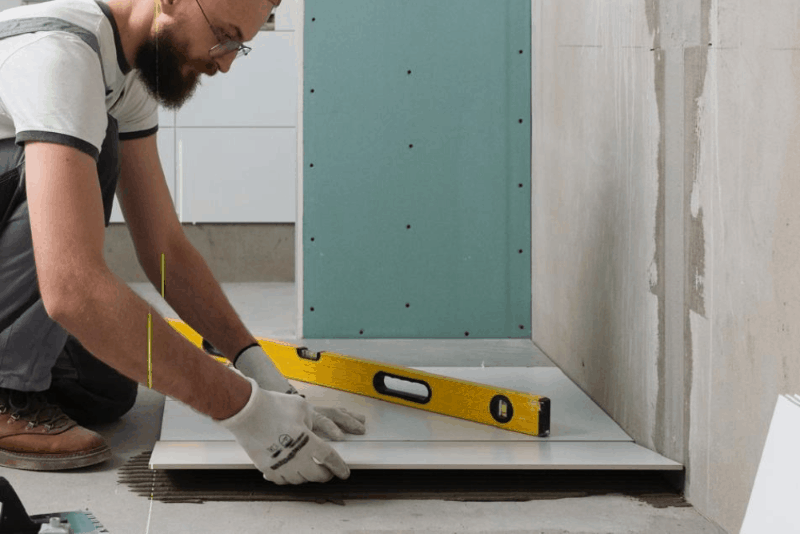
The shower is the most water-intensive surface in any home. Tile replacement in the shower often becomes necessary sooner than in other areas precisely because of that constant exposure. Water pressure, soap residue, daily temperature changes, and humidity all accelerate wear — and the consequences of ignoring damage here go well beyond aesthetics.
Signs of Shower Tile Damage
In a shower, the signs of deterioration are specific to heavy, repeated water exposure:
- Persistent mold or mildew that returns despite cleaning
- Deteriorated or crumbling grout joints between tiles
- Tiles that shift or feel soft when pressed
- Water stains on adjacent walls or ceilings below the shower
These aren’t just visual issues — they indicate that the waterproofing layer has been compromised.
When a Shower Tile Replacement Is the Best Solution
When grout has failed across multiple areas, when tiles are moving, or when water is visibly escaping the shower enclosure, repair is no longer a realistic option. The problem is structural. Professional shower tile installation ensures that waterproofing membranes, substrate preparation, and tile setting are done correctly the first time. BayTile’s team has handled shower replacements throughout the Sacramento region, restoring function and appearance in spaces where surface fixes had already failed.
Shower Grout Replacement: Why Grout Problems Should Not Be Ignored
Grout does more than fill gaps — it’s an active part of your shower’s waterproofing system. Shower grout replacement becomes necessary when that system starts to break down. Cracked, discolored, or missing grout allows moisture to penetrate behind tiles, where it can damage the wall structure and encourage mold growth in places you can’t see or clean.
Signs Your Shower Grout Needs Replacement
Watch for these indicators:
- Hairline cracks running along grout lines
- Discoloration that persists after deep cleaning
- Sections where grout is missing or has become powdery
- Dark staining concentrated along the base of the shower
Even a small crack in grout allows water to move where it shouldn’t. Over time, that leads to tile failure and expensive structural repairs.
Benefits of Replacing Shower Grout
Fresh grout immediately improves how a shower looks, but the real advantage is functional. Replacing deteriorated grout restores the waterproof barrier, stops moisture infiltration, and extends the life of the surrounding tiles. Pairing new grout with a quality shower grout sealant after installation adds another layer of protection, slowing future wear significantly. It’s a straightforward investment that prevents far more costly damage down the line.
Grout Replacement vs Tile Replacement: What Do You Really Need?
One of the most common questions homeowners ask is whether they need to replace just the grout, the tiles themselves, or both. The answer depends on what’s actually failing — and getting that diagnosis right saves money.
When Only Grout Replacement Is Enough
If the tiles themselves are intact — no cracks, no movement, no hollow sounds — and the problem is limited to the grout surface, then grout replacement alone is often the right call. This applies when:
- Discoloration is purely cosmetic and superficial
- Grout has cracked but tiles remain firmly bonded
- The issue is localized to a small section
This is a less invasive, more affordable fix that can restore both function and appearance without disturbing the tiles.
When Tiles Must Be Replaced
When damage goes deeper — cracked tiles, failed substrate, persistent moisture infiltration — grout work alone won’t solve the problem. Structural tile failure requires full removal and reinstallation. Attempting to regrout over a damaged surface only delays the inevitable, often making the eventual repair more extensive and costly. This is when working with experienced professionals makes the biggest difference.
Floor Tile Replacement: Warning Signs on Your Floors
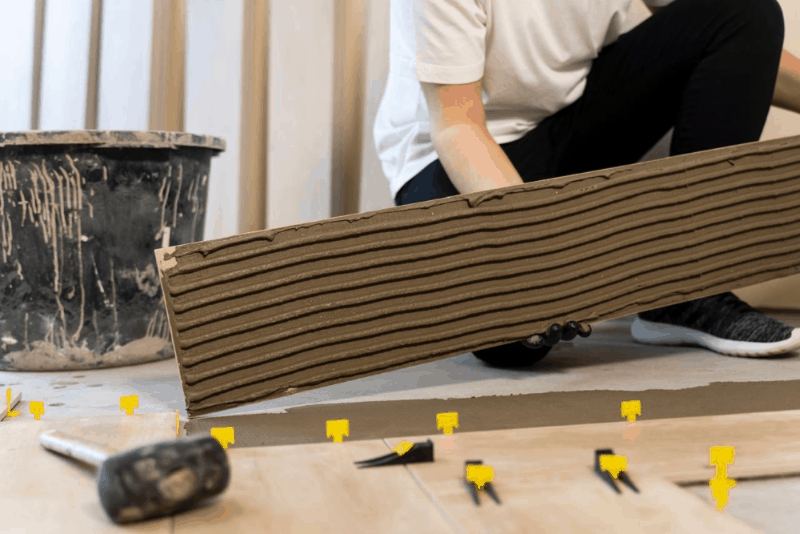
Floor tiles face a different kind of stress than walls or showers — weight, impact, and foot traffic compound over time. Floor tile replacement becomes necessary when the surface can no longer perform safely or structurally. Proper tile flooring installation addresses not just the tile itself, but the subfloor preparation that determines how long the surface lasts.
Key warning signs on tiled floors include:
- Hollow sound when tapped — indicates loss of adhesion beneath
- Visible unevenness or lippage between tiles
- Cracks running across multiple tiles in a pattern
- Tiles that rock slightly when stepped on
Uneven or loose floor tiles are a genuine trip hazard, particularly in high-traffic areas, kitchens, or spaces used by older adults or young children. Addressing floor tile issues promptly is as much about safety as it is about aesthetics.
Professional Tile Replacement Services in Sacramento
Finding the right team for a tile replacement project makes the difference between a result that lasts years and one that needs attention again in months. BayTile has been providing professional tile replacement services across the Sacramento area for over 15 years, working with homeowners in Sacramento, Roseville, Folsom, El Dorado Hills, Granite Bay, and Rocklin.
Founded by Walter Argueta, BayTile brings a team of experienced Professional Tile Installers to every project — from single-room repairs to full bathroom and shower renovations. Whether the job requires careful substrate preparation, waterproofing systems, or precision tile work in complex spaces, the team has the expertise to handle it.
If you’re unsure whether your tiles need repair or full replacement, reaching out for an inspection or quote is the best first step. BayTile offers consultations to help homeowners in the greater Sacramento region understand exactly what their project requires — with no pressure and honest assessments.
Bathroom and Shower Tile Replacement
BayTile specializes in both bathroom tile replacement and tile replacement in showers — two of the most technically demanding surfaces in any home. Wet environments require precise waterproofing, proper drainage slopes, and material choices that hold up under constant moisture. The team’s experience across dozens of bathroom and shower projects in the Sacramento region means they know how to handle the unexpected: from hidden water damage to tricky substrate conditions.
If your bathroom or shower is showing any of the signs covered in this guide, it’s worth getting a professional opinion before a manageable problem becomes a major renovation. BayTile is ready to help — reach out to schedule a consultation or request a quote for your project.