
When planning your home’s flooring, you’ll likely find yourself weighing the benefits of tile against the appeal of hardwood—two of the most popular and enduring options available today. Each material brings unique strengths to different spaces, and understanding how they compare helps you make confident decisions that align with your needs. Tile offers unmatched durability and moisture resistance, while hardwood provides warmth and timeless elegance that many homeowners cherish. The choice often comes down to where you’re installing the flooring, how you use the space, and what matters most in your daily life. Whether you’re renovating a single room or updating your entire home, consulting with experienced professionals through Tiles Installation ensures you select and install the right material for lasting satisfaction.
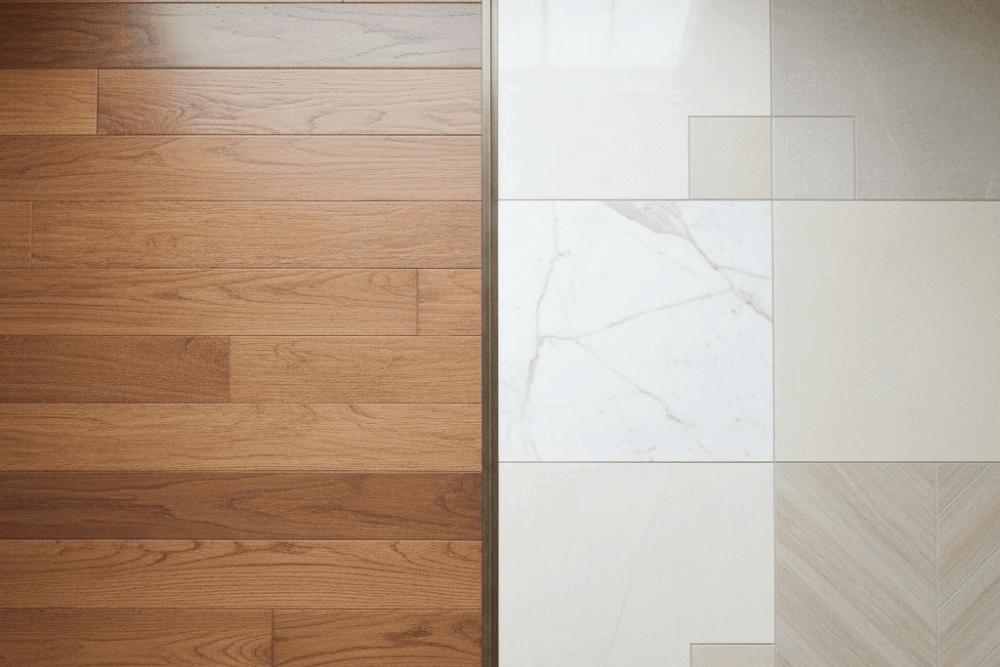
Key differences between tile and hardwood flooring
While both materials create beautiful floors, they differ significantly in how they perform and what they demand from homeowners over time. Understanding these distinctions helps you evaluate which option better serves your specific situation.
The main differences include:
- Durability: Tile withstands moisture, scratches, and heavy traffic better than hardwood, which can dent, scratch, or warp under similar conditions
- Maintenance: Tile requires minimal upkeep with simple cleaning, while hardwood needs periodic refinishing and careful protection from water damage
- Installation complexity: Both require professional installation, but tile involves more technical precision with waterproofing and grout work
- Comfort underfoot: Hardwood feels warmer and softer, while tile stays cool and firm—a consideration for barefoot walking
- Design versatility: Tile offers virtually unlimited patterns, colors, and textures, while hardwood provides natural grain variations within its species
Tile vs hardwood: cost comparison
Budget considerations significantly influence flooring decisions, and understanding the full financial picture—not just initial installation but ongoing maintenance—helps you evaluate true long-term value. The tile vs hardwood cost equation involves multiple factors beyond simple material prices.
Initial costs of tile vs hardwood flooring
Tile installation costs vary considerably based on material selection and design complexity. Basic ceramic tiles start affordably, while premium porcelain or natural stone options command higher prices. The expertise required for proper installation also affects costs—intricate patterns, custom cuts, and specialized waterproofing increase labor expenses. For insights into different tile types and their characteristics, explore Porcelain and Ceramic Tiles to understand how material choices impact your investment.
Hardwood typically carries higher upfront costs, especially for solid hardwood or prefinished engineered options. Species selection dramatically affects pricing—domestic oak or maple costs less than exotic varieties like Brazilian cherry or teak. Installation expenses for hardwood can be substantial, as it requires specific subfloor preparation, acclimation time, and skilled carpentry to achieve professional results.
Long-term maintenance and durability costs
Hardwood’s ongoing costs accumulate through regular maintenance requirements. Most hardwood floors need refinishing every 7-10 years, a process that involves sanding down the surface and applying new finish coats—typically costing several dollars per square foot. Water damage repairs can be extensive and expensive, as moisture causes warping, cupping, or staining that often requires replacing entire boards or sections.
Tile delivers exceptional long-term value through minimal maintenance needs and superior durability. Once properly installed, tile floors last decades without refinishing, sanding, or protective treatments. Cleaning requires only regular sweeping and occasional mopping with standard cleaners. While individual tiles can crack from severe impact, repairs are straightforward and isolated rather than affecting entire floor sections. This durability translates to lower lifetime costs despite potentially comparable initial investments.
Advantages of tile flooring
Tile has earned its reputation as a practical, high-performance flooring solution ideal for modern lifestyles and high-traffic areas. Its technical properties address common household challenges that compromise other flooring materials, making it particularly suitable for busy families and homes in varied climates.
Durability and water resistance
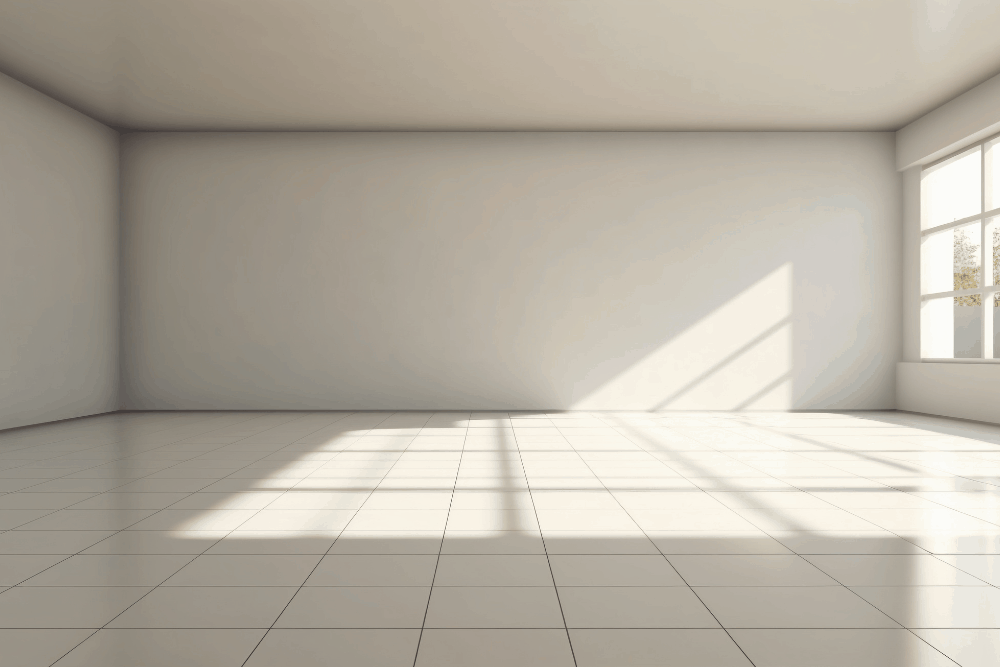
Tile’s greatest strength lies in its ability to withstand conditions that damage other flooring types. Moisture resistance makes tile the obvious choice for areas exposed to water—it won’t warp, swell, or develop mold like hardwood can. Heat tolerance allows placement near fireplaces or in sunrooms without fading or damage. Scratch resistance means pet claws, furniture movement, and dropped items leave no lasting marks.
This durability makes tile ideal for kitchens where spills happen daily, bathrooms with constant humidity, entryways tracking in dirt and moisture, mudrooms serving active families, and any home with pets whose claws would quickly damage softer materials. Professional Tile flooring installation maximizes these benefits through proper substrate preparation and waterproofing that creates impervious barriers against moisture infiltration.
Design flexibility and easy maintenance
Beyond performance, tile offers remarkable aesthetic versatility. Modern manufacturing creates convincing stone-look tiles that capture marble or slate’s elegance without the maintenance burden, wood-look planks that mimic hardwood’s appearance while providing tile’s durability, and mosaic patterns that add artisanal character to any space. Colors span from neutral grays and beiges to bold blues, greens, or terracottas that make design statements.
Maintenance couldn’t be simpler—sweep or vacuum regularly to remove debris, mop with mild cleaner and water as needed, and that’s essentially it. No special products, no periodic refinishing, no worry about water damage from cleaning. Grout lines benefit from occasional sealing, but modern epoxy grouts resist staining without this step. This ease of care saves both time and money over the floor’s lifetime.
Advantages of hardwood flooring
Despite tile’s practical benefits, hardwood maintains devoted followers who prioritize its aesthetic qualities and the warmth it brings to living spaces. Understanding hardwood’s strengths helps you evaluate whether these benefits outweigh its limitations for your specific needs.
Aesthetic appeal and warmth
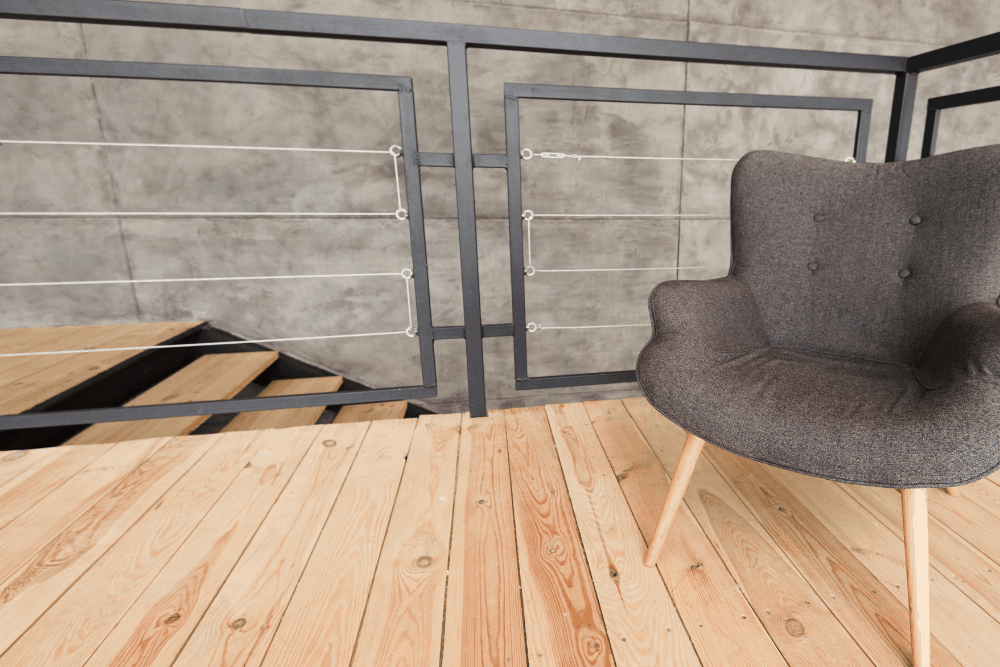
Hardwood creates inviting atmospheres that many homeowners find essential to their ideal home environment. The natural grain patterns, warm tones, and organic variations give each floor unique character impossible to replicate artificially. Wood’s warmth—both visual and physical—makes rooms feel cozier and more welcoming, particularly in social areas like living rooms, dining rooms, and master bedrooms where comfort matters most.
This material adds a sense of craftsmanship and tradition that appeals to those favoring classic interior design. The way light plays across wood grain, how colors deepen with age, and the solid feel underfoot contribute to hardwood’s enduring popularity despite its practical limitations.
Longevity and value
With diligent care and maintenance, hardwood floors can last 50-100 years, often outliving the homes they’re installed in. This longevity contributes to hardwood’s reputation as a valuable home feature that appeals to buyers and may increase resale value. The ability to refinish multiple times means floors can be refreshed rather than replaced when they show wear.
However, this longevity depends entirely on proper maintenance and protection from hardwood’s natural enemies: moisture and heavy impact. Humidity fluctuations cause expansion and contraction that create gaps or cupping. Water exposure from spills, leaks, or cleaning causes immediate damage that requires costly repairs. High-traffic areas show wear patterns that necessitate earlier refinishing. These vulnerabilities mean hardwood’s theoretical longevity only materializes under ideal conditions with careful stewardship.
Tile vs hardwood: which is best for different rooms?
Every space in your home has unique demands based on how you use it, exposure to moisture, traffic patterns, and design priorities. Matching flooring materials to these specific needs ensures both satisfaction and longevity.
Kitchen: tile vs hardwood flooring
Kitchens present the harshest conditions for flooring—constant foot traffic, frequent spills, splashing water from sinks, grease spatters, dropped utensils, and humidity from cooking. Tile excels in kitchen environments where its water resistance prevents damage from inevitable spills and its durability withstands the abuse of busy cooking and entertaining. Easy cleaning handles food residue and grease without special treatments or worry about staining.
Hardwood in kitchens requires constant vigilance and immediate cleanup of any moisture. Even minor spills left briefly can penetrate finish coats and stain or warp wood. The high traffic and potential for dropped pots, pans, or utensils creates dents and scratches that accumulate quickly. While some homeowners accept these trade-offs for hardwood’s aesthetics, tile offers superior practicality for this demanding space.
Living room and bedrooms: tile or hardwood floors?
Living rooms accommodate either material successfully, depending on climate, lifestyle, and design preferences. Hardwood creates warm, inviting gathering spaces perfect for conversation areas and traditional décor schemes. Its softer feel underfoot provides comfort during long periods of standing or sitting. Tile works beautifully in contemporary or minimalist living rooms, particularly in warm climates where its cooling properties are assets rather than drawbacks. Homes with pets benefit from tile’s scratch resistance and easy cleanup.
Bedrooms traditionally favor hardwood for its warmth and comfort when walking barefoot, especially in cooler climates. The softer surface feels gentler on feet during nighttime trips or morning routines. However, tile makes practical sense in warm regions where cool floors provide relief, and area rugs easily add softness where needed. The key consideration is personal comfort—do you value warmth underfoot or prefer cool surfaces and easy maintenance?
How to choose between tile and hardwood flooring
Your decision should reflect honest assessment of your lifestyle, priorities, and long-term plans rather than fleeting design trends. The right choice serves your practical needs while delivering the aesthetic experience you want from your home.
Consider your budget and lifestyle
Evaluate these critical factors honestly before committing to either material:
- Traffic patterns: High-traffic homes benefit from tile’s durability, while low-traffic spaces can accommodate hardwood’s softer surface
- Presence of pets and children: Active households with spills, scratches, and accidents favor tile’s resilience and easy cleanup
- Moisture exposure: Bathrooms, kitchens, entryways, and basements require tile’s water resistance
- Maintenance tolerance: If you prefer minimal upkeep, tile wins; if you enjoy caring for natural materials, hardwood may appeal
- Budget constraints: Consider both initial investment and long-term costs—tile often provides better lifetime value despite comparable upfront pricing
Choosing the right flooring for your home’s style
Both materials adapt to various design aesthetics, though each naturally complements certain styles more effectively. Modern and contemporary interiors often feature sleek tile installations—large-format porcelain, polished concrete looks, or geometric patterns that emphasize clean lines and minimalism. Coastal and Mediterranean styles embrace tile’s cooling properties and visual connection to stone and ceramic traditions.
Traditional, farmhouse, and rustic interiors typically showcase hardwood’s natural warmth and organic character. Classic homes with period details, craftsman bungalows, and transitional spaces benefit from wood’s timeless appeal and how it ages gracefully with patina.
That said, tile’s design versatility allows it to mimic hardwood convincingly while providing superior performance, making it viable for any style. Wood-look tile planks capture oak, maple, or walnut’s appearance without vulnerability to moisture or scratches. This flexibility means tile adapts to virtually any design vision, while hardwood works best in specific aesthetic contexts where its authentic qualities are essential to the desired atmosphere.