
A well-designed backsplash transforms your kitchen from ordinary to extraordinary, combining practical protection with stunning visual appeal. Whether you’re renovating an older home or building new, selecting the right backsplash sets the tone for your entire kitchen design while providing essential functionality that stands up to daily cooking activities.
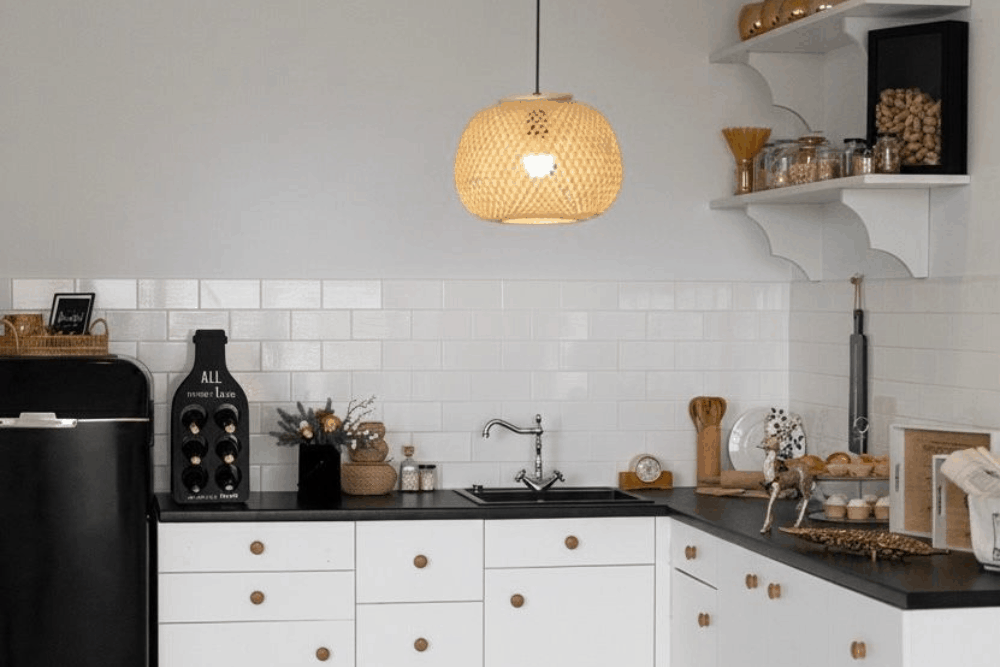
How to design a stunning backsplash for your modern kitchen
Creating a backsplash for your modern kitchen involves more than simply choosing attractive tiles—it requires understanding how materials, colors, and installation techniques work together to achieve both beauty and durability. Today’s homeowners seek designs that reflect contemporary aesthetics while delivering the performance needed in active cooking spaces. From sleek subway tiles to dramatic natural stone looks, the possibilities are nearly endless. This guide offers practical ideas, expert advice, and actionable tips to help you make informed decisions. For those ready to bring their vision to life, professional Kitchen Backsplash Installation ensures precision and lasting results that elevate your kitchen’s functionality and style.
What is a modern kitchen backsplash and why is it essential?
A backsplash is the protective and decorative wall surface installed between your countertops and upper cabinets, typically extending 18 to 24 inches in height. In modern kitchens, this element serves dual purposes: shielding walls from water, grease, and food splatters while creating a focal point that defines your kitchen’s character. Unlike traditional designs that simply matched cabinetry, contemporary backsplashes make bold statements through material choices, patterns, and colors that complement modern appliances and clean-lined cabinetry.
It protects your walls from damage that would otherwise require frequent repainting or repairs, saves cleaning time with wipeable surfaces, and significantly increases your home’s resale value. Potential buyers consistently cite updated kitchens as top priorities, and a professionally installed backsplash signals quality and attention to detail throughout the home.
Benefits of a modern backsplash in kitchen design
Beyond protecting your walls from moisture, heat, and staining, a backsplash contemporary kitchen design offers multiple advantages that impact both daily living and long-term satisfaction. The right materials create surfaces that resist bacteria and mold growth, contributing to healthier food preparation environments. Modern tiles are engineered for easy maintenance—most require only a quick wipe with mild cleaner to remove cooking residue, unlike painted walls that absorb grease and require scrubbing.
Aesthetically, your backsplash serves as an opportunity to introduce texture, color, or pattern into what might otherwise be a monochromatic space. It creates visual continuity between countertops and cabinetry while allowing personal expression through material selection. Perhaps most importantly, a professionally installed backsplash demonstrates craftsmanship that elevates your entire kitchen. Precise cuts, perfectly aligned grout lines, and proper sealing separate amateur attempts from work that looks polished and intentional, directly influencing how people perceive your home’s overall quality.
Modern kitchen backsplash ideas
Contemporary kitchen design embraces diverse aesthetics, from minimalist Scandinavian-inspired spaces to industrial lofts and warm transitional styles. Your backsplash should reflect your personal taste while respecting your kitchen’s architectural context and existing finishes. The beauty of modern design lies in its flexibility—you can opt for understated elegance with neutral tones and simple patterns, or make dramatic statements with bold colors and geometric designs. For visual inspiration showcasing real installations, explore kitchen backsplash ideas that demonstrate how different materials and layouts transform actual kitchens.
Popular materials for a contemporary kitchen backsplash
Subway tiles remain timeless favorites for modern kitchens, offering clean lines and versatile styling. These rectangular tiles can be arranged in classic running bond patterns or more dynamic herringbone and vertical stacks for contemporary flair.
Glass tiles bring luminosity and depth through their reflective properties, making smaller kitchens feel more spacious while adding sophisticated sparkle. They’re particularly effective in backsplashes because they’re non-porous and resist staining.
Porcelain tiles deliver exceptional durability and come in stunning imitations of natural materials—marble, concrete, wood—at more accessible price points. Their low water absorption makes them ideal for areas prone to splashing.
Ceramic tiles offer endless decorative possibilities with hand-painted patterns, textured surfaces, and vibrant colors. They’re cost-effective options that don’t compromise on style, perfect for homeowners working within budgets.
Mosaic tiles create intricate visual interest through small-format pieces arranged in patterns. Whether glass, stone, or ceramic, mosaics add artisanal character that elevates simple kitchen designs.
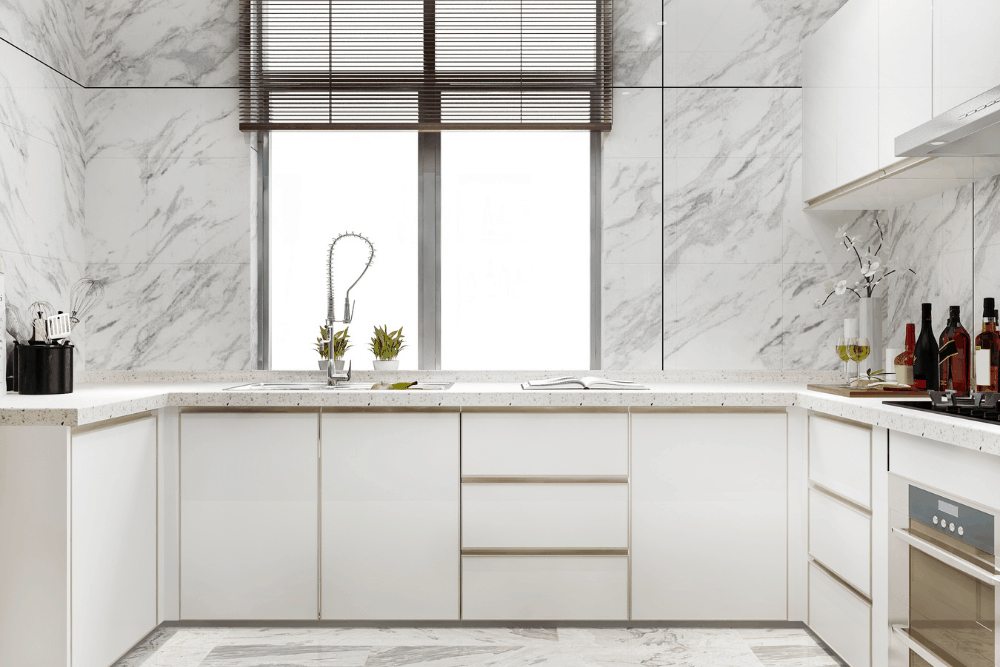
Natural stone-look tiles capture organic beauty without the maintenance demands of actual stone. These porcelain options mimic marble veining, slate texture, or granite depth while providing superior stain resistance and easier care.
How to choose the right tiles for your kitchen backsplash
Material selection significantly impacts how your backsplash performs over years of cooking, cleaning, and daily use. Consider your lifestyle honestly—busy families who cook frequently need different solutions than occasional cooks or those who entertain primarily. Think about maintenance tolerance: some homeowners enjoy caring for natural materials, while others prefer set-it-and-forget-it options. Color and pattern choices should harmonize with existing elements like countertops, cabinetry, and flooring. If you’re planning comprehensive updates, remember that coordinating decisions about all surfaces, including Kitchen floor tiles, creates cohesive design flow throughout the space.
Durability matters tremendously in backsplash applications. Areas behind cooktops endure heat exposure, while sink zones face constant moisture. Professional guidance helps you select materials rated for these specific challenges, avoiding premature deterioration or costly replacements.
Choosing between ceramic, porcelain, and glass tiles
Each material brings distinct characteristics that suit different needs and preferences. Porcelain tiles stand out for exceptional durability and virtually zero water absorption, making them ideal for high-use kitchens. They resist scratching, staining, and heat better than other options, and modern manufacturing creates stunning designs that replicate natural stone or concrete. Though slightly more expensive, porcelain’s longevity makes it cost-effective over time.
Ceramic tiles offer excellent value for homeowners seeking decorative variety without premium prices. Available in countless colors, patterns, and finishes, ceramic allows creative expression through hand-painted designs or textured surfaces. While more porous than porcelain, properly sealed ceramic performs well in backsplash applications and cleans easily with standard household products.
Glass tiles deliver unmatched visual impact through their light-reflective properties and jewel-like appearance. They’re completely non-porous, resisting moisture and staining better than any other option. Glass creates modern, sophisticated aesthetics but requires careful installation—improper adhesive application shows through transparent tiles. They’re also more prone to visible water spots, demanding slightly more frequent cleaning to maintain their sparkle. For budget-conscious projects, ceramic offers the best decorative variety; for durability and low maintenance, porcelain leads; for modern luminosity, glass excels.
DIY tips for installing your modern kitchen backsplash
Some homeowners successfully complete backsplash installations themselves, particularly in straightforward applications without complex cuts or obstacles. However, understanding the process helps you appreciate why professional installation often proves worthwhile. Start by carefully measuring your space and ordering 10-15% extra material to account for cuts and potential breakage. Ensure walls are clean, dry, and level—even minor imperfections telegraph through finished installations.
Key considerations for DIY attempts:
Use appropriate thin-set adhesive rated for your specific tile type and wall material. Apply adhesive in small sections to prevent it from skinning over before tiles are placed. Maintain consistent spacing with quality spacers, and frequently check level to avoid crooked rows. Plan your layout before applying any adhesive, determining where cut tiles will fall and ensuring symmetry around windows or outlets. For guidance on timing your installation within broader renovations, review Best practices installation for proper sequencing with cabinetry work.
That said, professional installers bring expertise that transforms good results into exceptional ones. They anticipate and solve problems before they arise, work efficiently to minimize kitchen downtime, and guarantee their work. Proper waterproofing, precise cuts around electrical boxes, and perfectly aligned grout lines distinguish professional installations from amateur attempts, directly affecting both appearance and longevity.
Maintaining your modern kitchen backsplash
Proper maintenance preserves your backsplash’s beauty and protects your investment for decades. Fortunately, modern kitchen tiles require minimal effort compared to other wall treatments. Regular cleaning prevents buildup that becomes difficult to remove, while appropriate care products avoid damage to surfaces and grout. Establish simple routines—wiping down splattered areas after cooking, addressing spills promptly—and your backsplash will maintain its fresh appearance with minimal time investment.
Cleaning tips for different backsplash materials
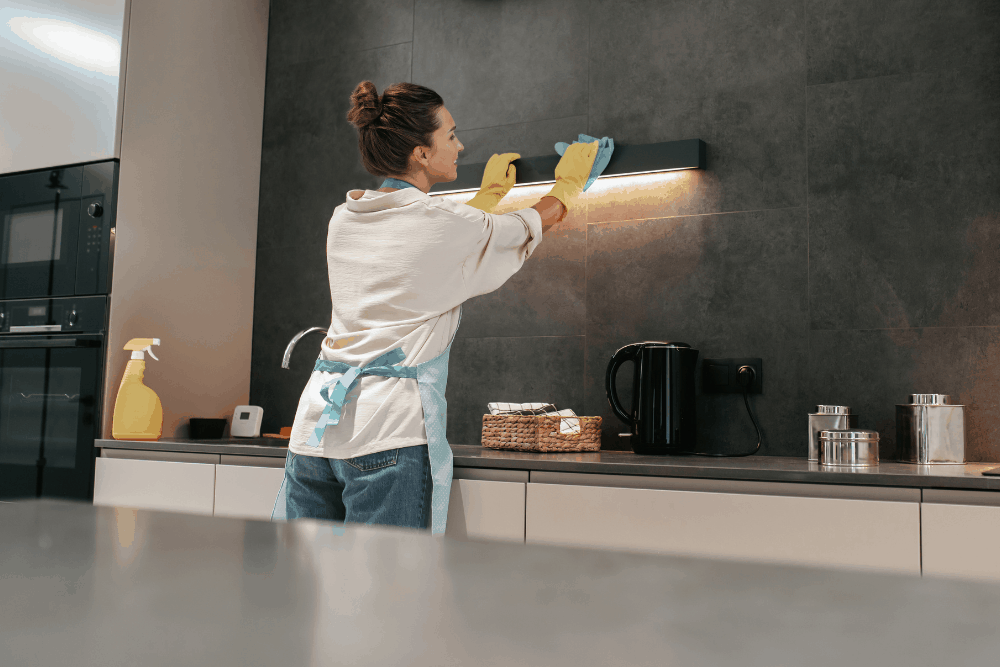
Ceramic and porcelain tiles tolerate most pH-neutral cleaners without issue. Use mild dish soap diluted in warm water for daily cleaning, applying with soft cloths or non-abrasive sponges. Avoid harsh scrubbing pads that can scratch glossy finishes. For stubborn grease, specialized tile cleaners cut through buildup without damaging surfaces. Rinse thoroughly after cleaning to prevent residue that attracts new dirt.
Glass tiles require gentle handling to prevent scratching their smooth surfaces. Microfiber cloths work best, as they clean effectively without leaving lint or causing damage. Avoid acidic cleaners like vinegar that can etch glass over time. Glass shows water spots more readily than other materials, so wiping dry after cleaning maintains sparkling clarity.
Mosaic tiles and textured surfaces benefit from soft-bristled brushes that reach into grout lines and recessed areas where standard cloths can’t effectively clean. Work in circular motions, paying attention to grout joints where discoloration often begins. Steam cleaners work wonderfully on sealed tile and grout, sanitizing surfaces without chemicals.
How to protect your backsplash from damage
Prevention extends your backsplash’s lifespan significantly. Apply appropriate sealers to grout lines and porous tile materials according to manufacturer recommendations—typically annually for grout, less frequently for tiles. Sealers create protective barriers against staining and moisture penetration that lead to deterioration.
Avoid impact damage by using cutting boards rather than working directly against the backsplash, and be mindful when moving pots and pans near the wall. Clean spills immediately, particularly acidic substances like tomato sauce, wine, or citrus juice that can etch certain materials if left to sit. Use trivets or splash guards behind cooktops where heat and grease concentrate.
Professional installation quality directly influences how well your backsplash withstands daily use. Properly applied adhesive, correct grout type, and thorough sealing create systems that resist moisture infiltration, prevent tile loosening, and maintain structural integrity. When tiles are set correctly with appropriate materials, maintenance becomes simple rather than constant damage control, allowing you to enjoy your beautiful kitchen without worry.