
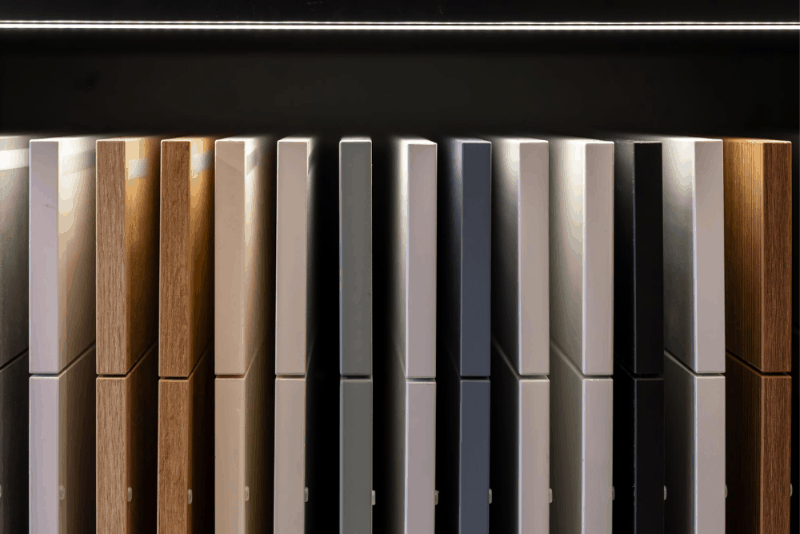
The debate between matte vs glossy tile doesn’t have a universal answer — but it does have a right answer for each specific space. Both finishes can work beautifully when chosen with the right criteria in mind: where the tile will be installed, how much light the room receives, how much maintenance you’re willing to commit to, and what safety considerations apply. A glossy tile that looks stunning on a bathroom wall might be a poor choice for a shower floor. A matte tile that feels perfectly at home in a modern living space might require more attention in a high-humidity environment. The choice between the two shapes not just the look of a room, but how it functions day to day — and that’s the question this guide is designed to answer.
Glossy Tiles vs Matte Tiles: Understanding the Basics
At its core, the difference between glossy tiles vs matte tiles comes down to how the surface interacts with light. Glossy finishes reflect light sharply, creating a polished, mirror-like effect. Matte finishes absorb and diffuse light, producing a softer, more subdued visual result. Both of these qualities change how a room feels spatially and aesthetically.
A glossy tile in a small room can make the space feel larger and brighter. A matte tile in the same room introduces warmth and visual calm. Neither is inherently better — the right choice depends on the room’s purpose, the available light, the design direction, and what the surface needs to do practically.
What often trips people up is assuming the decision is purely aesthetic. In reality, finish affects maintenance, safety, and long-term performance in ways that matter as much as appearance. Understanding each finish on its own terms is the starting point for making a decision that holds up beyond the first impression.
The Elegant Look of a Matte Finish
A matte finish has a quiet confidence that works across multiple design styles — not just modern or minimalist spaces. Its defining visual quality is a soft, non-reflective surface that absorbs light rather than bouncing it back into the room. This creates a sense of depth and texture that polished surfaces can’t replicate.
One practical advantage that often gets overlooked: matte finishes are more forgiving with certain surface marks. Fingerprints, light dust, and water drops are less immediately visible on a matte surface because there’s no high-contrast shine to make them stand out. This doesn’t mean matte tiles are maintenance-free — texture can trap residue in ways that smooth surfaces don’t — but day-to-day smudges are simply less conspicuous.
Matte tiles work particularly well in spaces where a natural, grounded aesthetic is the goal: bathrooms with organic materials, kitchens with warm cabinetry, or entryways that benefit from a textured, tactile quality underfoot. They’re also a reliable choice for design schemes that need to feel timeless rather than trend-dependent.
The Bright Reflectivity of a Glossy Finish
Glossy tile does something matte tile fundamentally cannot: it reflects light actively, which changes the spatial perception of a room in a measurable way. In smaller or darker spaces, this reflectivity can be a genuine functional advantage — a glossy-tiled bathroom wall bounces both natural and artificial light around the room, creating luminosity without adding any light fixtures.
The surface quality is also polished and visually refined, which works well in spaces where a clean, sophisticated look is the design priority. Glossy tiles tend to read as more formal and precise — a quality that suits contemporary and transitional bathrooms, kitchen backsplashes, and accent walls.
The trade-off is visibility of marks. Water drops, soap residue, and fingerprints show clearly against a glossy surface — more so than on matte. This doesn’t make glossy tile a poor choice, but it does mean the maintenance routine needs to be more consistent in spaces where the surface is touched or splashed frequently.
Bathroom Floor Tiles Glossy or Matte? Safety First
When choosing bathroom floor tiles glossy or matte, the first question isn’t aesthetic — it’s practical. A bathroom floor gets wet regularly, and a surface that loses traction when wet creates a real safety risk, regardless of how good it looks.
Matte tiles generally offer more inherent friction than glossy tiles on horizontal surfaces. Their surface texture provides grip that polished finishes don’t, which is why matte and textured tiles are more commonly specified for bathroom floors in both residential and commercial settings.
That said, finish alone doesn’t determine slip resistance. Texture, tile thickness, surface topography, and the manufacturer’s COF (coefficient of friction) rating all play a role. A matte tile with a smooth, flat surface can still be slippery when wet; a glossy tile with a textured relief pattern may perform better than expected. Always check the product’s slip-resistance classification alongside the finish before purchasing for floor applications.
For bathroom floors — particularly in households with children, elderly family members, or anyone with limited mobility — the safety specification should take priority over the aesthetic preference. A tile that looks exactly right but performs poorly underfoot isn’t the right tile for that application.
Glossy tiles remain a viable option for bathroom floors in lower-moisture contexts or where a textured glossy product with appropriate friction ratings has been selected. The key is verifying the technical specifications rather than assuming based on appearance alone.
Bathroom Tiles Glossy or Matte for Shower Walls?
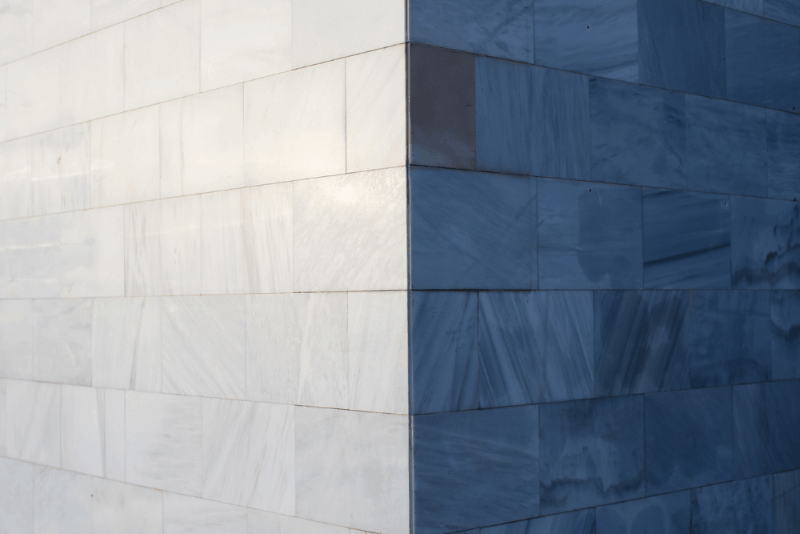
The question of bathroom tiles glossy or matte shifts significantly when the tile moves from the floor to the shower wall. On a vertical surface, traction is no longer the primary concern — and that changes the calculation entirely.
Glossy tiles on shower walls offer several genuine advantages. Their reflective surface amplifies lighting within the shower enclosure, making even modest-sized showers feel brighter and more open. Water sheets off a polished surface more cleanly than off a textured one, which can actually make day-to-day cleaning more straightforward — there’s less surface variation for soap scum to adhere to.
From a design perspective, glossy tiles in a shower introduce a polished, spa-like quality that works particularly well in contemporary and transitional bathrooms. White or light-toned glossy tiles in a shower can make a compact space feel significantly larger than it is.
Matte tiles on shower walls, by contrast, create a different kind of atmosphere — one that feels more grounded, tactile, and natural. They’re often chosen in bathrooms where the design direction is warmer or more organic: think stone-look formats, earthy tones, or spaces paired with natural wood elements. The reduced reflectivity also means the shower wall becomes a quieter visual element that supports the overall design rather than defining it.
One consideration unique to shower walls: water marks and soap buildup tend to be more visible on matte surfaces in enclosed, humid environments. Consistent cleaning matters for both finishes, but glossy surfaces in showers are often easier to wipe down quickly without leaving residue.
For a sleek, light-amplifying shower: glossy. For a warm, textured, or nature-inspired aesthetic: matte. Both work — what differs is what the finish does for the specific space.
Book Your Professional Tile Installation Today
Choosing between matte and glossy is the design decision. Making that choice perform as intended is a question of installation. Even a tile that’s perfectly suited to a space can present problems — uneven joints, lippage, inconsistent grout lines, or adhesion failures — when the installation process isn’t executed with precision.
This is especially true in bathrooms, where moisture exposure is constant and the margin for error in surface preparation and sealing is narrow. A properly installed tile floor or shower wall starts with the right substrate, the right adhesive, and the attention to detail that ensures every piece sits correctly from day one.
BayTile brings over 15 years of professional tile and stone installation experience to residential projects across Sacramento and surrounding communities, from Roseville to Folsom and beyond. Their team handles tile flooring installation for bathrooms, kitchens, and living spaces with the technical precision that protects both the investment and the finished look.
Once you’ve landed on the right finish for your space, the next step is making sure it’s installed to perform at its best. Explore tile installation services to discuss your project and get a professional assessment before work begins.
Frequently Asked Questions
Choosing between matte and glossy tile raises practical questions that don’t always get answered in general design guides — particularly when the space in question is a bathroom. Here are the most common ones, answered directly.
Are Matte Tiles Harder to Keep Clean?
Not necessarily — but the answer depends on the specific tile. Matte surfaces don’t show water marks and fingerprints as obviously as glossy ones, which can make them feel lower-maintenance in daily use. However, textured matte tiles can trap soap residue and grime in their surface variation more readily than smooth, polished tiles. The texture matters as much as the finish level when evaluating cleaning ease.
Do Glossy Bathroom Tiles Get Slippery When Wet?
They can — particularly on floor applications. A smooth, polished surface offers less natural friction than a textured or matte one, and when wet, that difference becomes more significant. On walls, this isn’t a concern, since traction isn’t required on a vertical surface. For floors, always verify the product’s slip-resistance rating (COF) before installing a glossy tile in a wet area. The finish tells you about appearance; the specification tells you about safety performance.