
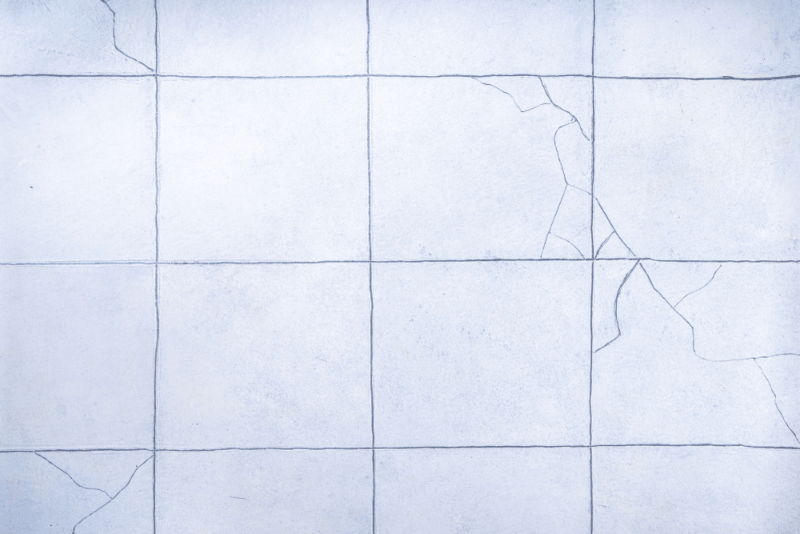
A hairline crack in the grout doesn’t always mean trouble, but ignoring the wrong kind can turn a quick fix into a bigger repair. This guide helps you figure out what’s actually causing the cracks in your grout and what to do about it.
Grout cracking is one of those small details that’s easy to ignore until it turns into a bigger repair. The cause behind a crack could be anything from a rushed installation job to structural settling or moisture working its way in over time, and figuring out which one applies to your situation matters more than jumping straight to a fix. This guide walks through the most common causes, how to tell a cosmetic crack from a real warning sign, the steps involved in repairing damaged grout, and a few habits that help prevent it from coming back. Consider it a starting point for diagnosing the issue, whether the crack showed up after a recent tile flooring installation or years into an older floor.
Why Is My Grout Cracking?
Grout can crack for a handful of reasons, from installation mistakes to environmental conditions or movement in the structure underneath. Pinpointing which one applies is the key step before deciding on a fix, which is exactly what why is my grout cracking questions usually come down to. This section focuses only on the causes; repair steps come later.
Poor Grout Installation
A rushed or careless installation is one of the more common culprits. Grout applied too thin, joints that weren’t fully packed, or a curing period that got cut short all leave the material weaker than it should be. Unskilled labor tends to compound these issues, since small mistakes in technique often aren’t visible until months later.
Movement Between Tiles
Buildings shift, even slightly, and grout has to absorb some of that motion. Settling, vibrations from nearby traffic or foot use, and the natural expansion and contraction of tile and subfloor materials as temperatures change all put stress on the joints between tiles, and grout has far less flexibility to handle that stress than the tile itself.
Excess Moisture and Water Damage
Grout that’s constantly exposed to water tends to break down faster than grout in dry areas. Slow leaks behind a wall, a shower that wasn’t sealed properly, or simply skipping routine maintenance can all let moisture work into the joints, weakening the material from the inside over time.
Incorrect Grout Mixture
Grout is sensitive to its mixing ratio. Too much water thins it out and weakens the cured result, while too little makes it difficult to work into the joints evenly. Inadequate mixing or rushing the drying time before the area sees any use can also leave the finished grout more brittle than it should be.
Lack of Expansion Joints
Expansion joints are gaps, typically filled with a flexible material rather than grout, that give tile surfaces room to shift with temperature changes. Without them, the surface has nowhere to absorb that movement, and the stress usually ends up cracking the grout lines closest to the areas most affected by heat or structural shifts.
What Causes a Crack in Tile Grout?
Not every crack points to the same underlying issue, and severity varies quite a bit depending on where it shows up. A crack in tile grout near a doorway means something different than one inside a shower stall.
Hairline Cracks Between Tiles
These thin, surface-level cracks are usually the least concerning type. They often result from minor curing issues or small amounts of settling, and as long as the tiles themselves aren’t shifting and there’s no moisture involved, they’re typically a cosmetic issue rather than a structural one. That said, hairline cracks left unaddressed can grow larger over time, so they’re worth keeping an eye on.
Cracks Around Showers and Wet Areas
Wet areas see near-constant exposure to moisture, which makes grout there more vulnerable than grout in a dry hallway or living room. Insufficient sealing is often the root cause, and once water finds its way past a compromised joint, it can lead to leaks that affect the wall or subfloor behind the tile.
Cracks Where Walls and Floors Meet
These transition points flex more than a flat surface does, since the wall and floor move somewhat independently of each other. That flexing is exactly why these joints often call for a different material than standard grout, a distinction worth exploring a bit further on.
Cracking Grout on Floor Tiles
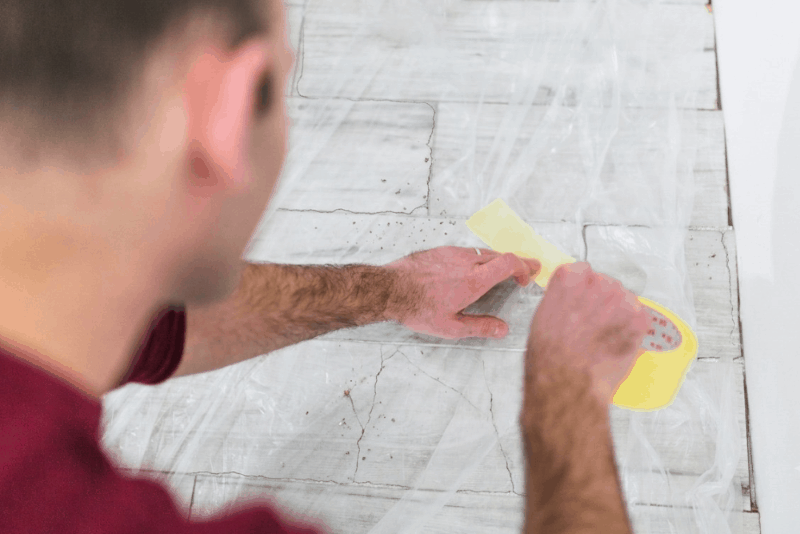
Floor grout deals with more direct pressure and movement than grout on a wall, which makes cracking grout on floor tiles a slightly different problem to diagnose.
Subfloor Movement and Uneven Surfaces
An unstable or uneven subfloor puts constant tension on the grout above it. Even minor dips or flexing points, ones you might not notice just by walking across the floor, can concentrate stress in specific spots and lead to repeated cracking in the same areas.
Heavy Traffic and Structural Pressure
Constant foot traffic adds up over years, particularly in busy hallways or entryways. Commercial spaces see this even more, since higher volumes of daily traffic distribute weight and pressure across the floor far more often than a typical residential room.
Underfloor Heating and Temperature Changes
Radiant heating systems introduce regular temperature swings that cause tile and grout to expand and contract more than they would otherwise. Without materials rated for that kind of movement, the grout ends up absorbing stress it wasn’t built to handle.
How to Inspect Cracked Grout
A quick visual inspection usually tells you whether a crack is something to monitor or something that needs closer attention. Here’s a simple way to sort one from the other before deciding on next steps.
Signs the Damage Is Only Cosmetic
- Thin, hairline cracks with no visible depth
- No movement or shifting when tiles are pressed
- No signs of moisture around the affected area
Cracks that check these boxes are usually straightforward to repair, since the underlying tile and subfloor haven’t been compromised.
Signs of a More Serious Tile Problem
- Tiles that feel loose underfoot
- A hollow sound when tapped
- Persistent moisture or dampness
- Visible mold near the grout lines
Any of these point to something beyond a surface-level fix, and it’s usually worth having a professional take a closer look before proceeding.
Grout Crack Repair: Step-by-Step Guide
A proper grout crack repair starts with removing all of the damaged material first, since patching over compromised grout rarely holds up for long.
Remove the Damaged Grout
A grout saw or an oscillating tool with a grout removal blade works well for cutting out the old material. Go slowly and keep the blade centered in the joint to avoid chipping the tile edges on either side.
Clean and Prepare the Joint
Once the old grout is out, vacuum and wipe down the joint to clear away dust and loose debris. Any leftover residue can prevent the new grout from bonding properly, so this step is worth doing thoroughly rather than rushing through it.
Apply the New Grout
Press new grout into the joint with a rubber float, working it in at an angle to fill the space evenly. Wipe away the excess before it fully sets, then give it the recommended curing time before the area sees any foot traffic or water exposure.
Seal the Repaired Area
Once the grout has cured, applying a sealant helps protect the repair from moisture going forward. This step matters most in wet areas, where a shower grout sealant adds a real layer of protection against water intrusion and helps the repair last considerably longer than unsealed grout would.
When to Use Caulk Instead of Grout
Grout and caulk aren’t interchangeable, even though they can look similar once installed, and using the wrong one in the wrong spot is a common reason cracks keep coming back.
Grout works well on flat, stable joints between tiles, where there’s little to no movement expected. Caulk, on the other hand, is built to flex, which makes it the better choice anywhere two different surfaces meet, like where a wall meets a floor or where tile meets a bathtub. For a closer look at how the two compare, caulk vs grout breaks down where each one belongs.
| Factor | Grout | Caulk |
| Function | Fills joints between tiles | Seals transitions between surfaces |
| Flexibility | Rigid once cured | Stays flexible |
| Best used | Flat tile-to-tile joints | Corners, edges, tub and wall transitions |
| Moisture resistance | Good with sealant | Naturally water-resistant |
When Should You Call a Professional?
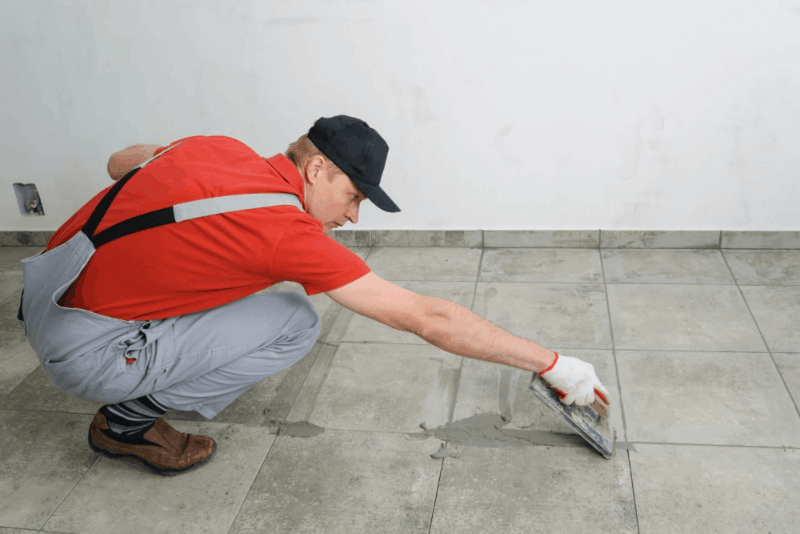
Some cracks are a minor cosmetic issue, but others point to a problem with the structure or the original installation that’s worth having evaluated by someone experienced.
If the damage is limited to a few hairline cracks with no loose tiles or moisture involved, a localized grout crack repair is often enough. Loose tiles, a hollow sound, or recurring cracks in the same spot usually mean the base or the original tile flooring installation needs a closer look, which is where our tile installation services can help, whether that means correcting a subfloor issue or replacing tile that’s no longer salvageable. For homeowners around Roseville, Sacramento, El Dorado Hills, Folsom, Granite Bay, and Rocklin, getting an early opinion on a recurring crack can save a fair amount of time and expense down the line.
Frequently Asked Questions About Grout Cracking
Here are a few of the questions that come up most often around cracked grout.
Can You Grout Over Cracked Grout?
Not really. New grout applied directly over cracked or deteriorated grout usually fails to bond properly and cracks again within a short time. Removing the damaged material first gives the new grout a clean, stable surface to adhere to.
Is Cracked Grout a Sign of Water Damage?
It can be, but it isn’t always the cause. Moisture is one of several possible triggers, alongside installation issues or structural movement, so it’s worth checking for other signs, like discoloration or a musty smell, before assuming water is the source.
Why Does Grout Keep Cracking in the Same Place?
Repeated cracking in one spot usually points to an unresolved issue, like ongoing movement, a weak subfloor, or missing expansion joints. Simply reapplying grout without addressing the underlying cause tends to lead to the same crack reappearing.
Should Cracked Grout Be Repaired or Replaced?
Small, isolated cracks with no other warning signs are usually fine with a localized repair. Extensive cracking, loose tiles, or signs of moisture damage typically call for a full grout replacement or a closer look at the installation underneath.